“Decoding the Impact of COVID-19 on Major Sports Events: A Deep Dive”
Decoding the Impact of COVID-19 on Major Sports Events: A Deep Dive The COVID-19 pandemic brought the world to a standstill, affecting every aspect of daily life, including the highly antici.
Decoding The Impact Of Covid 19 On Major Sports Events A Deep Dive
Updated: April 15, 2026
Decoding the Impact of COVID-19 on Major Sports Events: A Deep Dive
The COVID-19 pandemic brought the world to a standstill, affecting every aspect of daily life, including the highly anticipated world of sports. As stadiums went silent and events were postponed or canceled, the global sports community faced unprecedented challenges. This blog post explores how the pandemic reshaped major sports events, examining the economic, social, and logistical impacts, while also highlighting the resilience and adaptation of the industry.
The Initial Shock: Postponements and Cancellations
The onset of the pandemic in early 2020 led to immediate disruptions in the sports calendar. Major events like the Tokyo 2020 Summer Olympics and the UEFA Euro 2020 were postponed, while others, such as Wimbledon, were canceled altogether. The decision-making process was fraught with uncertainty, as organizers weighed public health concerns against the financial implications.
The sudden halt in sports activities had far-reaching economic consequences. For instance, the postponement of the Olympics not only affected athletes’ training and preparation but also had significant financial implications for sponsors, broadcasters, and host cities. These decisions, though necessary, highlighted the delicate balance organizers had to maintain between health safety and economic viability.
Economic Ripples: Broadcasters, Sponsors, and Local Economies
Sports events are not just about competition; they are massive economic ecosystems. The pandemic-induced disruptions affected broadcasters, sponsors, and local businesses dependent on the influx of fans. The absence of live audiences translated to a loss in ticket sales, merchandising, and on-ground sponsorship opportunities.
Broadcasting rights, a major revenue stream for leagues and tournaments, faced renegotiations. Networks had to adjust to the lack of live content, leading to potential reductions in advertising revenue. Sponsors, too, were in a predicament, with their investments not yielding the expected returns.
Local economies, particularly those in host cities, suffered as well. Hotels, restaurants, and local vendors missed out on the economic boom typically associated with major sports events. The cancellation of events such as the NBA season and the English Premier League matches had a cascading effect on employment and local commerce.
Adaptation and Innovation: The New Normal in Sports
Despite the disruptions, the sports industry showcased remarkable resilience and adaptability. Virtual events, fan engagement through digital platforms, and bio-secure bubbles became the norm. The FIFA World Cup qualifiers and other major tournaments adopted stringent health protocols to ensure safety.
Technological advancements played a crucial role in this transition. The use of virtual reality, augmented reality, and advanced analytics helped enhance fan engagement, while also providing new revenue streams. The introduction of digital fan experiences, such as virtual stadium tours and interactive apps, allowed fans to engage with their favorite teams and athletes from the safety of their homes.
Moreover, the concept of bio-secure bubbles was pioneered by events like the NBA bubble, where teams were isolated in controlled environments to minimize COVID-19 exposure. This approach proved successful and was adopted by various leagues worldwide, allowing for the continuation of tournaments amidst the pandemic.
Social and Psychological Impacts on Athletes and Fans
The social and psychological impact of the pandemic on athletes and fans cannot be underestimated. Athletes faced disruptions in their training regimes, with some experiencing heightened stress and anxiety due to the uncertainty surrounding competitions. The lack of competitive play and the need to adapt to new training methods in isolation added to the challenges.
For fans, the absence of live sports events meant missing out on the communal experience of cheering for their teams in packed stadiums. Sports have long been a source of entertainment and escapism, and their sudden unavailability affected the mental well-being of many. The introduction of virtual fan experiences provided some solace, but the void left by the absence of live events was deeply felt.
Long-Term Implications: A Changed Landscape
The long-term implications of COVID-19 on major sports events are still unfolding. The pandemic accelerated the digital transformation of the sports industry, a trend likely to continue as organizations seek to diversify revenue streams and enhance fan engagement. The reliance on technology and data analytics in sports management and decision-making is set to increase, shaping the future of sports events.
Furthermore, the pandemic has prompted a reevaluation of the financial models underpinning sports events. Organizations are likely to adopt more flexible and sustainable approaches to planning and execution, taking into account the potential for future disruptions. The importance of contingency planning and risk management has been underscored, leading to more robust strategies for future events.
Conclusion: Resilience and the Road Ahead
The impact of COVID-19 on major sports events has been profound, revealing both vulnerabilities and strengths within the industry. While the pandemic posed significant challenges, it also spurred innovation and adaptation, paving the way for a more resilient sports ecosystem. As the world gradually recovers, the lessons learned during this period will guide the future of sports, ensuring that the industry emerges stronger and more adaptable.
The road ahead will require continued collaboration among stakeholders, including athletes, organizers, sponsors, and fans. By embracing change and leveraging technological advancements, the sports community can create a future that not only withstands disruptions but also thrives in a dynamic and interconnected world.
The Role of Governing Bodies and Policy Changes
Throughout the pandemic, sports governing bodies played a crucial role in navigating the challenges posed by COVID-19. Organizations such as the International Olympic Committee (IOC) and FIFA were at the forefront, making difficult decisions about scheduling, safety protocols, and athlete welfare.
These bodies had to adapt quickly, updating policies to align with public health guidelines and ensuring that the well-being of athletes, staff, and fans remained a priority. This included implementing regular testing, quarantine measures, and vaccination mandates where applicable. The policy changes were pivotal in ensuring that sports could continue, albeit in a different format.
Moreover, the pandemic has led to a reevaluation of the structures and processes within governing bodies. There is a growing emphasis on transparent decision-making and stakeholder engagement, with many organizations seeking to involve athletes in discussions about their health and safety. This shift towards a more inclusive approach is likely to have lasting benefits, fostering greater trust and collaboration within the sports community.
Impact on Grassroots and Youth Sports
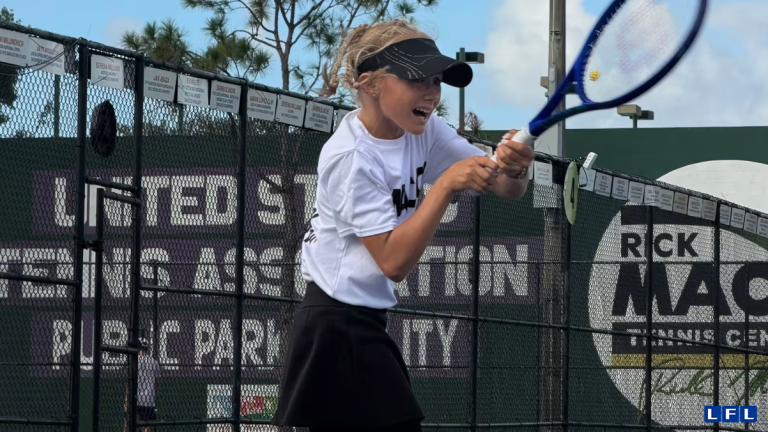
While much of the focus has been on professional sports, grassroots and youth sports have also been significantly impacted by the pandemic. Local clubs and community programs faced challenges as lockdowns and social distancing measures restricted their operations. This disruption has had a ripple effect, affecting young athletes’ development and potentially altering the future talent pipeline.
Many grassroots initiatives have turned to digital platforms to maintain engagement, offering online training sessions and virtual competitions. However, the lack of in-person interaction and competitive play poses challenges for skill development and motivation among young athletes.
As restrictions ease, there is a pressing need to revitalize grassroots sports. This includes providing financial support to local clubs, investing in safe training facilities, and encouraging community participation. By prioritizing the recovery of grassroots sports, we can ensure that young athletes continue to have opportunities to develop their skills and passion for the game.
The Future of Fan Engagement
The pandemic has forever changed the way fans engage with sports. As digital experiences become more prevalent, sports organizations are exploring innovative ways to enhance fan interaction. Technologies such as virtual reality (VR) and augmented reality (AR) are being integrated into fan experiences, offering immersive and interactive viewing options.
Social media platforms have also become vital tools for fan engagement, with athletes and teams leveraging these channels to connect with their audiences. The rise of esports and fantasy sports during the pandemic has further expanded the landscape of fan engagement, attracting a new generation of sports enthusiasts.
Looking ahead, the challenge will be to balance digital and physical experiences, ensuring that fans can enjoy the thrill of live events while also benefiting from the convenience and personalization offered by digital platforms. By embracing a hybrid model, the sports industry can create a more inclusive and engaging environment for fans worldwide.
Conclusion: A New Era for Sports
As the world emerges from the pandemic, the sports industry stands at the cusp of a new era. The challenges posed by COVID-19 have accelerated changes that were already underway, driving innovation and transformation across the sector. From the way events are organized to how fans engage with their favorite sports, the landscape has evolved significantly.
Despite the difficulties, the pandemic has highlighted the enduring power of sports to unite and inspire. As we look to the future, the lessons learned during this period will be invaluable in shaping a more resilient and dynamic sports industry. By embracing change and continuing to innovate, the sports community can ensure that it remains a source of joy, connection, and inspiration for generations to come.
The journey ahead will require collaboration, creativity, and a commitment to inclusivity. As we navigate this new era, there is an opportunity to build a sports ecosystem that is not only more robust but also more accessible and engaging for all. Through resilience and adaptability, the sports world will continue to thrive and captivate audiences across the globe.