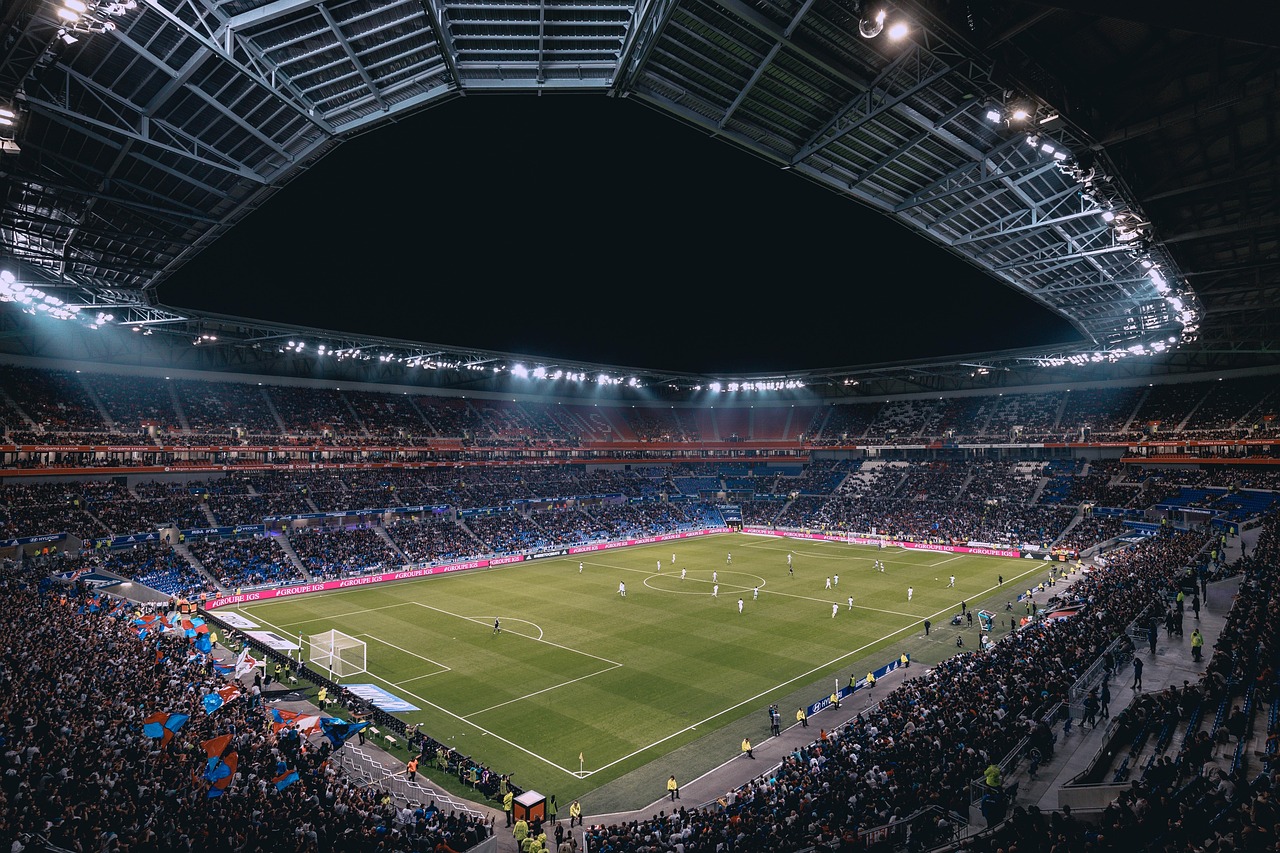

Editorial collage of Filipino sports icons across boxing, tennis, and sepak takraw representing the evolving game Sports
Updated: April 15, 2026
The Philippines stands at a crossroads where the national Sports Philippines narrative is increasingly tied to youth development, broadcast rights, and international aspiration. This feature analyzes how this landscape intersects with grassroots programs, commercial partnerships, and policy choices, shaping public discourse and long-term viability for athletes and fans alike.
The Philippines in Context
Sports governance in the Philippines operates at the intersection of national policy, local government support, and the needs of competing leagues and universities. The Philippine Sports Commission, along with allied agencies, faces the challenge of sustaining training pipelines while balancing elite excellence with broad participation. For decades, national teams have relied on a combination of government funding, private sponsorship, and school-based programs to identify talent early and provide access to facilities and coaching. In this framework, the development of pathways—from primary and secondary schools to national academies—matters as much as medals. The Philippines’ pipeline remains rooted in a mix of traditional leagues, collegiate leagues, and regional competitions, with ongoing debates about how much emphasis should be placed on youth development versus immediate international competitiveness. The practical consequence is a need for reliable funding, transparent governance, and measurable outcomes that can justify continued public and private investment to a Philippine audience hungry for better facilities, coaching, and opportunities for nationwide participation.
Beyond funding, governance shifts—such as clearer athlete welfare standards, independent oversight, and performance-based funding—could reframe how communities perceive sport as a viable long-term career. Local governments increasingly recognize that sports infrastructure and event hosting correlate with economic activity, tourism, and community pride. In this context, the national Sports Philippines story is less about a single golden moment and more about sustained normalization of sport as a core national enterprise—one that starts in classrooms, clubs, and municipal gyms and scales through national federations and international competition.
Economic and Tourism Angles
Sports, and the platforms that broadcast them, increasingly operate as engines of local and national economies. For the Philippines, the rise of streaming and digital distribution has widened access to events that were once regionally constrained. A robust media strategy—balancing free-to-air exposure with premium streaming—can grow a dedicated fan base, attract sponsorship, and boost tourism tied to events such as regional championships and multi-sport festivals. In this context, the AllSport-TV ecosystem can serve as a bridge between amateur participation and professional exposure, offering live coverage, archival content, and analysis that resonate with Filipino viewers who traditionally follow college leagues, national teams, and neighborhood clubs. The economics of sports broadcasting—rates, rights, and sponsorship packaging—also influence how federations allocate resources, negotiate venues, and plan athlete welfare programs. When media rights are leveraged effectively, communities see tangible benefits: more training opportunities, better facilities, and a larger sense of connection to the national enterprise of sport.
Beyond viewing figures, sports tourism benefits from well-planned event calendars, attractive host cities, and safety standards. Fans increasingly expect immersive experiences, from fan zones to culturally resonant opening ceremonies. For the Philippines, connecting sports narratives with local culture—bumper events, regional showcases, and youth clinics—can cultivate a sustainable tourism corridor that complements the domestic market for goods, services, and hospitality tied to major matches and tournaments.
Policy and Pathways
Policy direction matters because it sets the pace at which grassroots talent becomes national capability. A pragmatic approach blends continuous funding with targeted program reforms: investing in school sports programs, strengthening coach education, and expanding access to top-level facilities across provinces. The synergy between DepEd, CHED, and national federations is essential for building a reliable pipeline that starts in classrooms and culminates in regional and national teams competing on the world stage. In practice, this means transparent selection processes, youth development curricula aligned with international standards, and welfare provisions that address athlete health, safety, and post-career transition. A forward-looking policy framework would also prioritize data-driven monitoring—tracking participation rates, performance outcomes, and the return on investment from both public and private stakeholders—so that resources are deployed where they make the most impact for national development and public satisfaction.
Moreover, governance reforms that enhance accountability and reduce conflicts of interest can foster a stable environment for sponsors, broadcasters, and local communities. When federations articulate clear performance targets, annual budgets, and independent review mechanisms, they create a predictable landscape for long-term planning. For a country with a diverse sports culture, such coherence helps align national ambitions with local realities, ensuring that the national Sports Philippines effort remains inclusive, aspirational, and sustainable.
Actionable Takeaways
- Prioritize transparent, outcome-based funding for grassroots programs to expand participation and identify talent early.
- Develop a balanced media rights strategy that blends free-to-air access with targeted digital platforms to grow the fan base and attract sponsors.
- Invest in coaching education and athlete welfare to convert potential into sustainable national performance and post-career opportunities.
- Coordinate among DepEd, CHED, and national federations to create a formal talent pipeline from schools to national teams.
- Leverage sports events for inclusive tourism growth, ensuring safe, well-managed experiences that benefit communities nationwide.