National Sports Philippines: State of Play and Path Forward
national Sports Philippines: A deep, data-informed analysis of the Philippine sports landscape, examining funding dynamics, policy choices, media shifts, and.
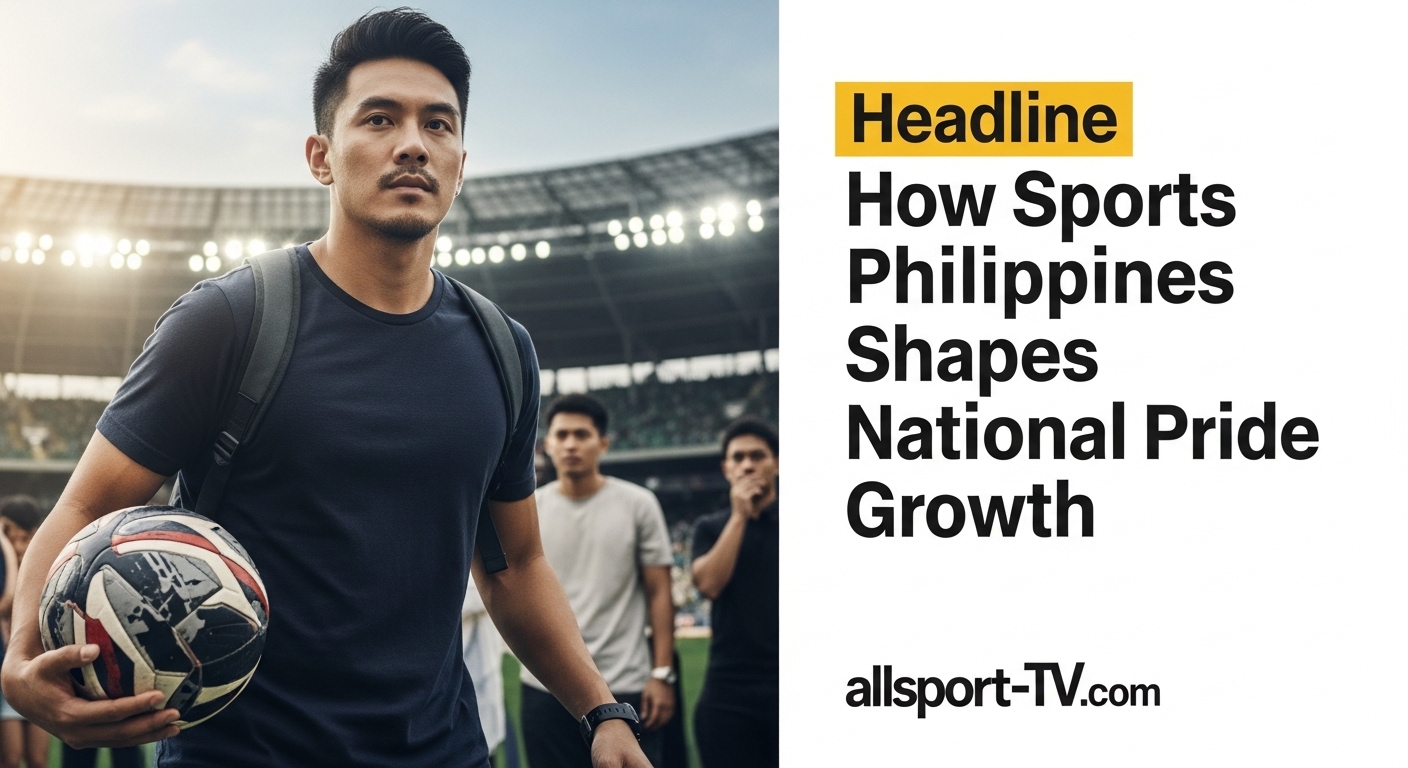
Filipino sports fans at a stadium with a broadcast crew capturing a live game.
Updated: April 15, 2026
Amid debates about funding, governance, and global competition, the concept of national Sports Philippines has emerged as a lens to understand how athletes are cultivated from grassroots to podiums. This analysis weighs the constraints and opportunities, tracing how institutions, markets, and media intersect to shape performance, fan engagement, and the broader social utility of sport in the Philippines. The framing here is not merely about medals, but about building durable pipelines that translate local talent into sustainable national impact.
Context: The Philippine sports ecosystem
At the base level, thousands of young athletes compete in local leagues, schools, and barangay programs. Infrastructure remains uneven, and access to high-quality training facilities varies dramatically between urban centers and rural provinces. Coaches with formal development pathways are in short supply, and talent identification often relies on community networks, school teams, and regional tournaments rather than centralized scouting. This uneven foundation creates an ongoing risk: early promise may fade if athletes cannot transition to higher levels of competition with adequate coaching, medical support, and competition calendars.
Public investment remains a cornerstone of the system. Government bodies and their agencies provide targeted funding for training centers, national squads, and youth development programs, accentuating the role of sport in health, education, and social cohesion. Yet budgets are inherently contingent on political cycles, and allocations frequently compete with other social needs. Private sponsorship and corporate partnerships have grown as crucial complements, but they are not a panacea. The most commercially alluring sports—often those with strong national brands or international export value—tend to attract more resources, while less visible disciplines struggle to secure consistent support. The result is a mixed ecosystem where potential meets practical constraints, and where the quality of coaching, access to facilities, and competition exposure can still determine who advances toward national teams.
Case studies across disciplines illustrate both promise and fragility. In combat and ball sports, success stories are celebrated widely, yet sustaining a pipeline requires continuous investment in youth academies, safety standards, and sport science support. In newer domains like esports or non-traditional disciplines, the prize is not only medals but recognition of a broad-based approach that values inclusivity, digital reach, and scalable training models. The overarching question is not only how athletes win medals, but how a nationwide system can reliably produce world-class competitors while serving communities that may not see elite sport as an immediate livelihood.
Funding and policy dynamics shaping national sports Philippines
Policy and funding dynamics form the backbone of any long-term athletic project. A typical Philippine system features a network of public funding streams aimed at athlete development, training infrastructure, and international competition. These streams often operate through a central federation or national committee that allocates resources to selected sports, training camps, and international travel. The challenge lies in fungibility and predictability: year-to-year variations in appropriations can disrupt training cycles, limit long-range planning, and complicate the scheduling of qualifiers and regional competitions.
Beyond public coffers, private-sector engagement has grown in importance. Sponsorships, corporate social responsibility programs, and sponsorship of national teams can offset gaps in public financing and accelerate the adoption of sport science, nutrition, and injury prevention. However, sponsorship is not evenly distributed; it tends to favor sports with high mass appeal and media visibility. This creates a feedback loop where popular sports receive disproportionate attention, while minority disciplines struggle to gain traction even when athletes show potential at regional events. A pragmatic national strategy, therefore, must balance a broad-based talent pipeline with targeted investments in those sports where international opportunities are increasingly within reach, including disciplines where the Philippines has competitive advantage or emerging interest.
Another policy layer involves athlete welfare and governance standards. Ensuring safe training environments, fair selection processes, and transparent funding mechanisms is essential for building trust among athletes, coaches, and communities. In practice, that means clearer reporting lines, performance-based incentives aligned with long-term development rather than short-term results, and stronger collaborations with local government units to sustain facilities and access. A mature policy framework recognizes that medals are a byproduct of a wider strategy—one that values health, education, and citizenship as much as podium finishes.
Media, platforms, and audience in the Philippines
The media and digital platforms shape both the scale of national sports engagement and the willingness of sponsors to invest. In a media market characterized by high affordances for mobile viewing and social sharing, a compelling national program can reach audiences beyond traditional stadium crowds. Live broadcasts, highlight reels, and athlete storytelling create a durable brand around national sports that can attract sponsorship and youth involvement even in off-peak seasons. Yet broadcasting rights negotiations, streaming costs, and platform fragmentation pose risks: if fans struggle to access events reliably, the broader public may drift away, reducing the inflow of advertisers and sponsors who depend on visible reach.
In this environment, platforms like allsport-tv can play a pivotal role by aggregating coverage across sports, delivering real-time updates, and complementing traditional broadcasts with original analysis, tutorials, and behind-the-scenes content. The Philippines is uniquely receptive to participatory media—fans expect not just results but context, breakdowns, and opportunities to engage through comments, polls, and community features. For national teams and federations, this means that performance data, science-driven training narratives, and athlete welfare stories can be packaged into compelling content that broadens the audience, improves retention, and deepens trust in the sport system.
Actionable Takeaways
For policymakers: Build a multiyear, line-item plan for athlete development that sequences grassroots programs, elite training, and international exposure while protecting funding against political swings.
For federations and coaches: Prioritize sustainable talent pipelines, invest in coaching certification, injury prevention, and sport science, and partner with schools to ensure a steady stream of youth participation.
For broadcasters and platforms: Create accessible, low-cost viewing options for national competitions, invest in multilingual commentary and digital distribution, and pair live events with data-rich analyses to deepen engagement.
For sponsors and partners: Align branding with community impact, not only medal targets; support programs that broaden participation, including women’s and youth initiatives, to grow the sport ecosystem’s long-term value.
For athletes and fans: Demand transparent governance and welfare standards; engage with media, coaches, and peers to build a resilient career path that extends beyond a single tournament cycle.