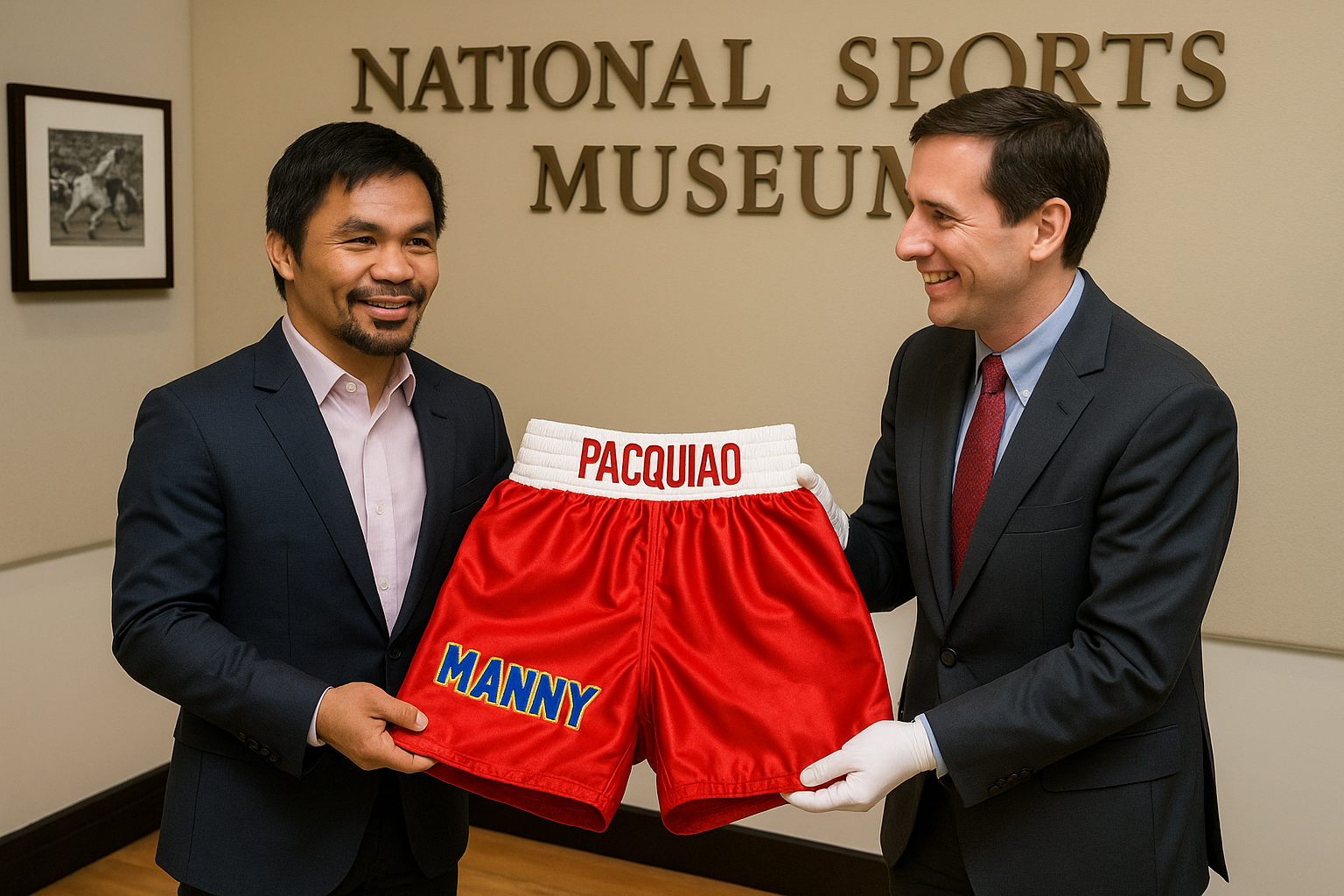
Editorial collage of Filipino sports icons across boxing, tennis, and sepak takraw representing the evolving game Sports
Updated: April 15, 2026
In the unfolding global sports narrative, filipino Sports Philippines stands at a crossroads where grassroots development, elite performance, and media access intersect. This analysis aims to move beyond headlines and map the structural and cultural forces shaping Philippine sport in the 2020s, with a focus on how Filipino fans engage, institutions invest, and athletes navigate opportunity. By situating local realities within international trends, the aim is to provide a practical, evidence-based framework for stakeholders who want durable progress rather than episodic wins.
Context: Global Moments and National Momentum
Recent international meets have underscored a growing appetite for endurance and speed across the archipelago. Reports of Filipino runners setting national marks at marquee events, alongside rising scholarship in sports science and coaching, point to a groundswell of talent intent. The Tokyo Marathon episode—where Filipino athletes demonstrated resilience and competitive pacing—illustrates how global stage results can catalyze domestic participation, inspire youth, and attract corporate backing. Yet momentum is fragile if it hinges solely on individual breakthroughs. A sustainable arc requires coordinated investment in coaching pipelines, facilities, and inclusive pathways that convert fleeting inspiration into long-term participation and podium-worthy performance.
For the Philippines, the lesson is not merely about medals but about building a culture of consistent performance. When communities witness athletes who train within accessible programs and see visible improvements in local events, participation grows. That ripple effect lowers barriers to entry for multisport athletes and elevates the credibility of sport as a viable career track for Filipino families. The challenge is translating sporadic international success into a repeatable, scalable model that can be sustained across generations rather than cycles of hype.
Structural Challenges: Infrastructure, Funding, and Governance
One of the core obstacles in advancing Filipino sports Philippines is the uneven distribution of resources. Talent emerges locally, but access to high-quality training facilities, data-driven coaching, and sport science support varies dramatically by region. This gaps approach creates a bottleneck: promising athletes may reach national teams with potential dampened by inadequate daily training environments. Financial constraints compound these issues, as sustained funding for national programs is often episodic or project-based, leaving coaches and athletes without a clear path from youth participation to elite competition.
Governance also matters. Transparent, evidence-based planning that aligns national sports policies with school-level programs and private sector incentives can unlock a more coherent ecosystem. The aim is not bureaucratic expansion but tailored investments—regional strength and national coordination—so that coaches have access to scouting networks, performance analytics, and safe, sustainable career trajectories for athletes. A practical path forward includes formalizing athlete welfare protocols, ensuring safe transitions between amateur and professional ranks, and creating longer-term funding commitments that outlast political cycles.
Talent Pipelines: Schools, Local Clubs, and Corporate Sponsorship
The long-term vitality of Filipino sports Philippines rests on robust talent pipelines. Schools play a pivotal role as entry points where physical literacy, competition structures, and achievement are nurtured. But to translate school experiences into elite performance, there must be seamless connections to club systems, regional centers, and national training programs. Local clubs can function as incubators for discipline, teamwork, and specialized skills, while corporate sponsorships can underwrite coaching, travel, and equipment—areas often neglected when sponsors chase short-term visibility.
Women’s sport, highlighted by events like the AFC Women’s Asian Cup, signals a broader window of opportunity for inclusive development. Building on such momentum requires targeted investment in coaching diversity, safe facilities for women athletes, and marketing strategies that reach families and young girls who may not view elite sport as accessible. The sustainable path is not just to recruit athletes but to cultivate environments where young Filipinas and Filipinos see clear, affordable routes to growth, competition, and personal advancement within the sporting world.
Digital and Broadcast Dynamics: Reaching Filipino Audiences
Digital platforms and broadcast partnerships shape who participates, how fans engage, and what the industry can monetize. A modern ecosystem combines traditional TV coverage with streaming, social media, and on-demand content that showcases training journeys, behind-the-scenes moments, and local leagues. For the Philippines, the strategic value is not only entertainment but also education: fans learn about training methodologies, sports science, and the day-to-day realities of professional athletes. When media rights and content are structured to favor domestic exposure without sidelining regional diversity, they can drive higher fan retention, more predictable sponsorship revenue, and stronger youth recruitment pipelines. The practical upside is a more informed, engaged fan base that sustains investment across sports—from athletics to basketball to football.
To maximize impact, broadcasters and platforms should invest in local storytelling, athlete profiles, and accessible coverage that respects family budgets and transportation realities. A realistic scenario envisions a mixed portfolio: a core set of marquee events complemented by affordable local broadcasts and community screenings, creating a culture where sport is a daily habit rather than a seasonal spectacle.
Actionable Takeaways
- Weekend and after-school programs should be formalized as part of a national youth sport strategy, with clear pathways from community clubs to national teams.
- Invest in regional training hubs equipped with coaching staff, science-backed training protocols, and athlete welfare services.
- Align school sports, amateur leagues, and corporate sponsorship to foster sustainable funding, long-term development, and talent retention.
- Develop a blended media model that prioritizes affordable access, local storytelling, and data-driven analytics to engage Filipino fans across generations.
- Prioritize women’s sports development with targeted coaching, facilities, and marketing to expand participation and performance at continental events like the AFC Women’s Asian Cup.