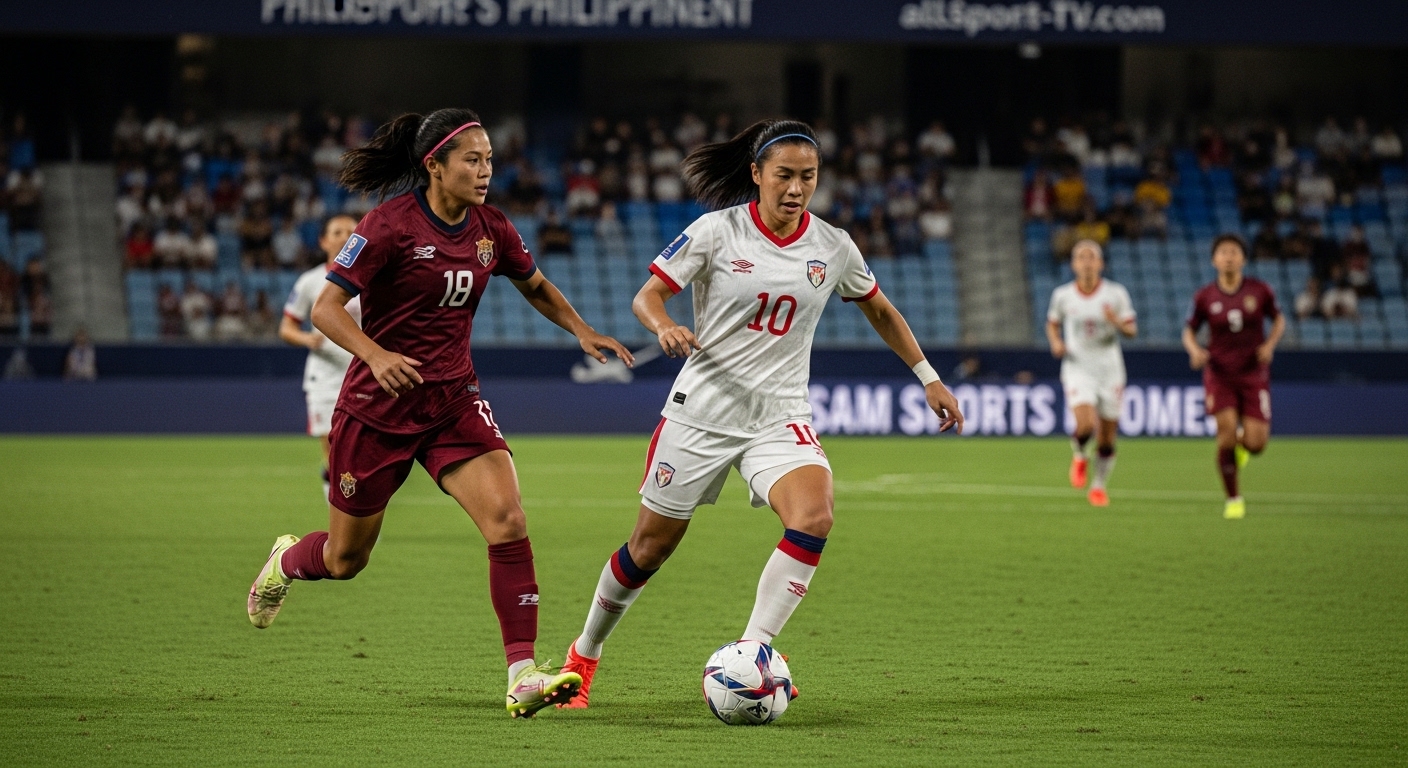
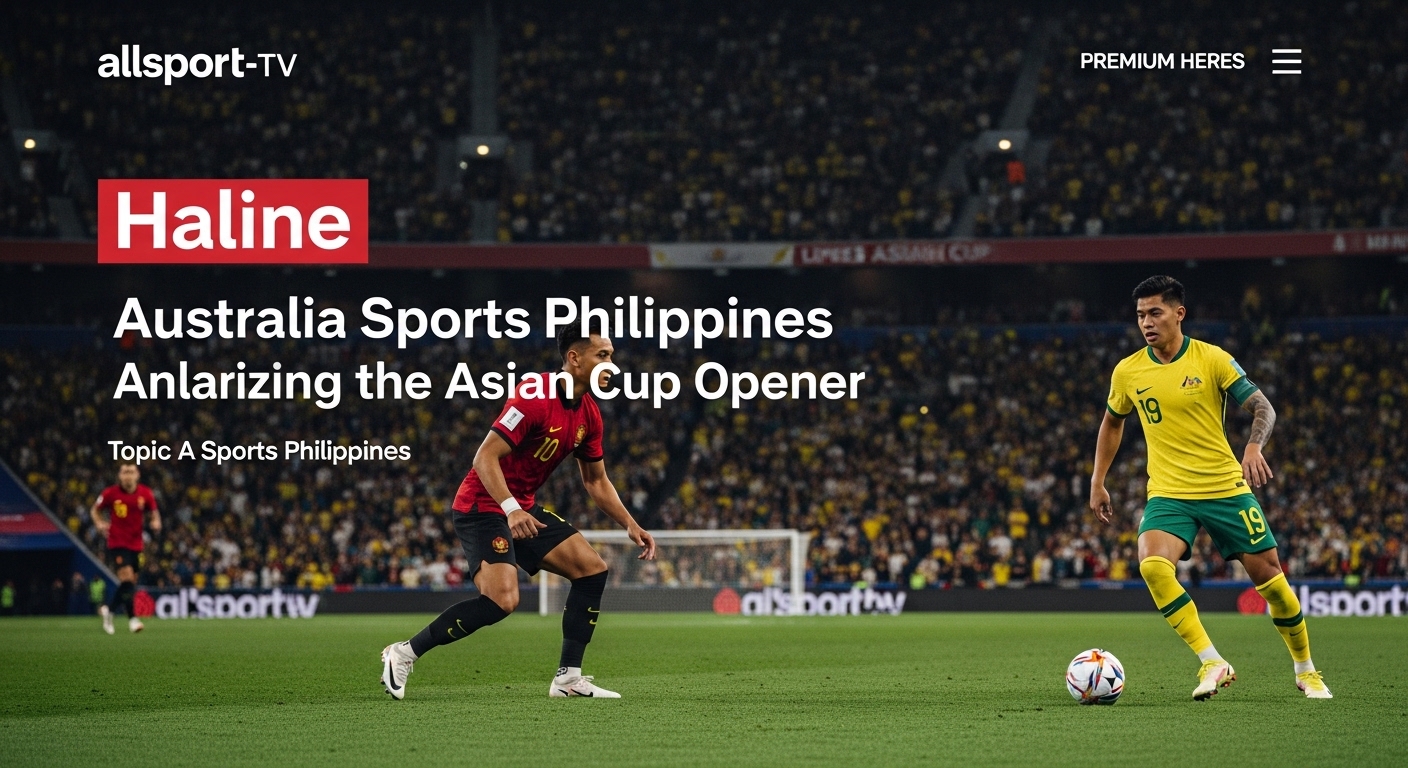
Australia vs Philippines Women’s Asian Cup opener; Kerr header scene with celebrating players and engaged crowd.
Updated: April 17, 2026
Across the Asian football calendar, australia Sports Philippines stands for more than a result; it marks how Australia’s football footprint intersects with Philippine ambitions in sports media, sponsorship, and youth development. In the Women’s Asian Cup opener, Australia defeated the Philippines, with Sam Kerr delivering a telling header that underscored both teams’ current strategies and the region’s evolving balance of power. For Filipino fans, the match was more than a scoreline; it was a lens on what it takes to compete at this level, and a reminder that broadcast routes, sponsorship, and youth pathways will shape the next generation of athletes. The game’s dynamics—methodical pressing by Australia, a defense that endured early pressure, and a late decisive moment—offer a framework for analyzing what changes are needed domestically to sustain progress beyond occasional highlights.
Context and Stakes
In a tournament that doubles as a showcase for women’s football across Asia, the opener placed two contrasting trajectories side by side. Australia arrives with a depth chart and elite-level competition that enable rapid adjustments mid-tournament, while the Philippines carries the momentum of rising domestic interest and a still-developing pipeline. For the Philippine football ecosystem, this fixture was a stress test for youth development, coaching pipelines, and the capacity of local leagues to translate fan energy into sustainable academies and opportunities for aspiring players. Media and sponsorship ecosystems in the Philippines are increasingly tuned to such fixtures, but the scale of opportunity demands reliable broadcast reach, accessible streaming, and content that translates on-field drama into long-term engagement.
Tactical Takeaways and Player Spotlight
The header by Sam Kerr typified Australia’s strategic advantage: a blend of ball retention, precise service from the flanks, and the execution of aerial contest in the final third. Australia’s approach balanced compact, high-intensity pressing with purposeful buildup that exploited gaps behind the Philippines’ wide defenders. For the Philippines, the early resilience and organization under pressure demonstrated progress in defensive shape and collective discipline, but the match exposed gaps in transition defense and finishing in the attacking phase. The narrative for Filipino viewers is not only about talent gaps; it’s about the scale of investment required to raise coaching quality, implement data-informed training, and establish nutrition and rehab programs that sustain a deeper campaign through multiple competitions.
Media, Sponsorship, and Market Dynamics
The Philippines’ media environment is increasingly receptive to women’s football, with social channels amplifying highlights, tactical breakdowns, and fan discourse. Yet the commercial upside hinges on broadened broadcast reach and consistent streaming access, particularly in regional markets. For Australia, fixtures like this become testbeds for regional sponsorship models that align brand visibility with a growing audience for women’s football. The opportunity lies in distributing the game across multiple platforms, investing in local content production, and delivering match-day experiences that convert casual viewers into loyal supporters. The long-run payoff is a more robust regional ecosystem where both sides benefit from greater exposure, sponsorship, and audience development opportunities.
Future Pathways and Collaboration
Long-term progress requires a blend of domestic development and cross-border cooperation. The Philippines should prioritize coaching education, youth development programs, and a sustainable domestic league ecosystem that provides regular, high-quality competition. Australia can offer technical exchanges, coaching mentorship, and data-sharing practices that accelerate Philippine teams’ readiness for regional tournaments. Beyond matches, bilateral training camps, joint scouting initiatives, and shared infrastructure could raise the Philippine program’s ceiling while giving Australia a controlled environment to assess depth and development strategies in a market with rising interest in women’s football.
Actionable Takeaways
- Invest in comprehensive youth development programs focused on girls’ football and multidisciplinary support.
- Expand domestic league infrastructure and broadcast reach to translate international exposure into sustainable fan engagement.
- Create bilateral exchange programs with Australian clubs for coaching, scouting, and player development.
- Strengthen data analytics, sports science, and medical support to optimize performance and reduce injury risk.
- Build targeted sponsorship models with regional brands to support grassroots and elite women’s programs.
- Enhance community engagement and school partnerships to broaden the talent pool and fan base.
Source Context:
Yahoo Sports Canada coverage of the Australia vs Philippines Women’s Asian Cup opener
Inquirer.net coverage of regional athletics and events
Jacksonville Journal-Courier: Kerr header fuels Australia win