ptv Sports Philippines has emerged as a case study in how Philippine sports broadcasting navigates the tension between traditional free-to-air reach and the pull of digital platforms. In a country where millions tune in on mobile devices for live hoops, boxing, and local leagues, the channel’s choices—program schedules, on-demand clips, and cross-platform storytelling—signal not just viewer numbers but the health of sports journalism, athlete development, and public interest in national sport. This article provides a deep, context-driven analysis of where ptv Sports Philippines stands, the pressures it faces, and the scenarios that could unfold for fans, leagues, and broadcasters in the coming years.
The Broadcasting Landscape for Filipino Sports Fans
Across the Philippines, viewer attention is increasingly fragmented by rights fragmentation, cost considerations, and the simultaneous rise of streaming services. Free-to-air networks remain essential for wide reach, particularly in provincial households where data costs are a barrier to premium streaming. At the same time, digital platforms offer clip moments, live updates, and fan conversations that extend beyond the final whistle. For a brand like ptv Sports Philippines, this dual reality means prioritizing accessibility—both on conventional television and across smartphones, tablets, and PCs—while preserving the credibility that live sports journalism demands. The challenge is not merely to broadcast more events, but to curate a coherent narrative: reliable schedules, quality commentary, and contextual features that help fans understand why a game matters beyond the scoreboard.
Rightsholders in the Philippines increasingly favor multi-platform strategies, balancing live rights with on-demand libraries and short-form content for social feeds. In this environment, ptv Sports Philippines cannot rely on a single window to viewership. It must design a content architecture that makes each platform mutually reinforcing: live matches amplify engagement, while on-demand clips and explainer pieces deepen the audience’s connection to teams, players, and leagues. The practical implication is that scheduling, talent development, and production workflows must be integrated with a digital-first mindset while maintaining the reliability that traditional viewers expect.
Strategic Moves: How ptv Sports Philippines Could Position Itself
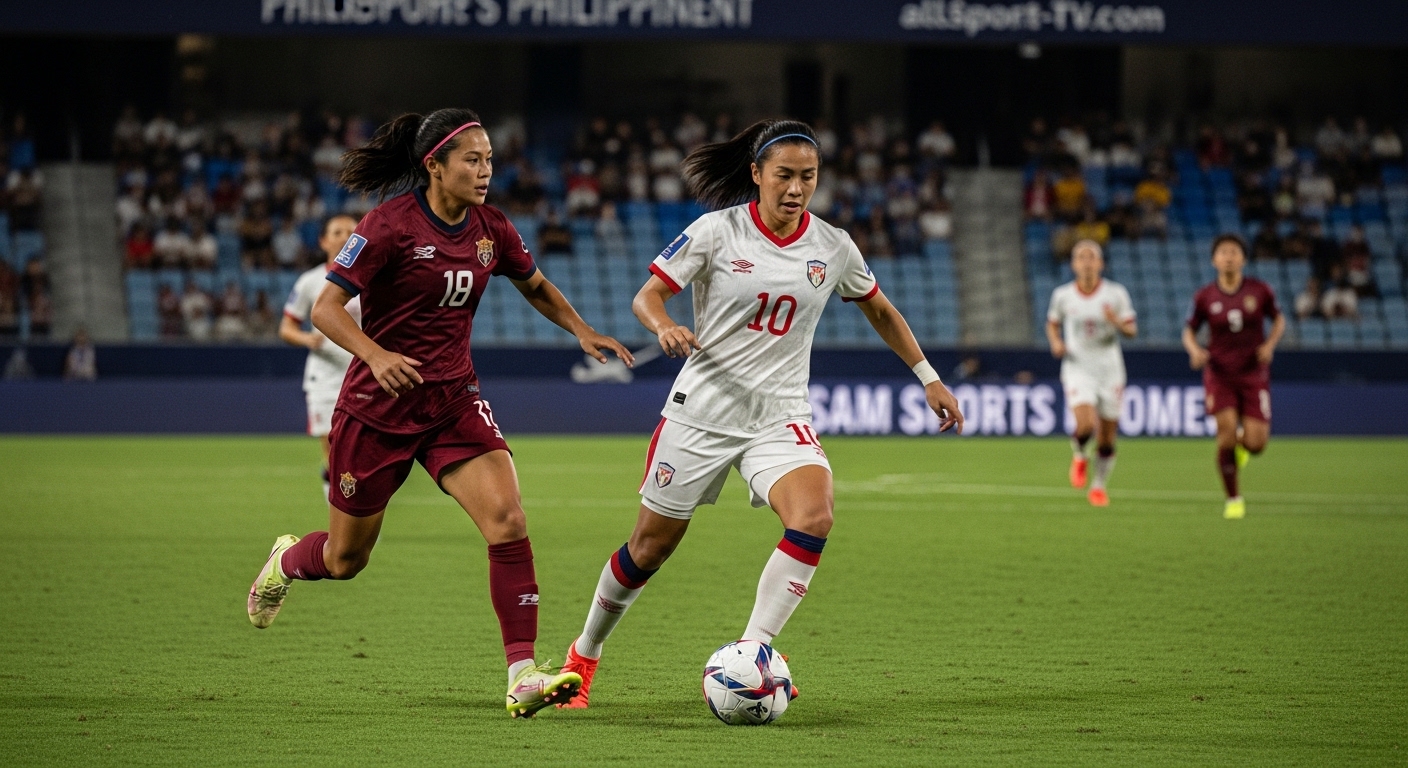
A sustainable advantage lies in content differentiation anchored to the country’s diverse sports ecosystem. A plausible path for ptv Sports Philippines is to expand beyond marquee events into underrepresented but growing segments: university leagues, women’s competitions, provincial sports festivals, and youth development showcases. Such a focus would not only broaden the audience but also cultivate a pipeline of homegrown talent for feature reporting and analysis. Coupled with this, a deliberate emphasis on long-form profiles and behind-the-scenes features can humanize athletes and create a loyal following that tunes in for more than just live results.
Rights management and licensing will define the pace of expansion. The channel could pursue partnerships with local federations and universities, constructing a rights-sharing framework that allows for highlight reels, archival footage, and live event packages across platforms. A practical production model may include modular broadcasts—remote host desks for regional matches, quick-turnaround recap packages, and a library system that supports searchable content in both English and Filipino. Importantly, the strategy should include robust audience analytics to test what formats drive retention, whether short-form clips on social platforms or in-depth analyses on a dedicated digital hub.
Audience Behavior and the New Normal
Philippine sports fans increasingly consume content on mobile devices, often swapping between live events, discussion threads, and highlight reels within the same viewing session. This multitasking habit raises questions about how to pace live broadcasts: should a two-hour basketball game be complemented with burst commentary, real-time graphics, and post-match breakdowns that spark ongoing dialogue? The shift also places a premium on social media integration: real-time stats, poll-driven interludes, and viewer-generated questions that feed into post-game shows. The new normal rewards broadcasters who can deliver not just a match feed but a cultivated experience that travels across platforms, languages, and time zones, keeping fans engaged between seasons and tournaments.
For ptv Sports Philippines, a practical implication is to synchronize content calendars with key moments in the sports calendar—opening rounds, derbies, and championship weekends—while sustaining a steady cadence during off-peak periods with evergreen features and talent development pieces. This approach can stabilize audience momentum, attract sponsors interested in sustained engagement, and create a recognizable brand around credible, context-rich sports journalism rather than episodic event storytelling alone.
Implications for Athletes and Local Sports
A more inclusive broadcast approach can create broader exposure for Filipino athletes across the archipelago. When coverage includes provincial leagues, women’s sports, and youth competitions, aspiring athletes gain role models, recruiters find talent pools, and communities receive a platform for local pride. The economic ripple benefits accompany greater visibility: sponsorships become more accessible, grassroots programs gain legitimacy, and fan investment deepens as viewers feel connected to a visible infrastructure that supports development. The risk, of course, is oversaturation and a dilution of quality; thus, the editorial backbone—rigorous reporting, fair play analysis, and citable statistics—remains essential to preserve credibility and audience trust.
In this context, ptv Sports Philippines must balance speed with accuracy, fast highlights with deeper synthesis, and evergreen storytelling with timely reporting. The more the channel can anchor its content in verifiable data and transparent sourcing, the more it can become a trusted partner for athletes seeking exposure and for fans seeking clarity in a crowded media landscape.
Actionable Takeaways
- Build a multi-platform content slate that includes live events, on-demand highlights, and deep-dive features focused on local and regional sports.
- Invest in a searchable archive and quick-turnaround production workflows to deliver timely recap packages across TV and digital channels.
- Prioritize coverage of underrepresented sports, women’s competitions, and youth leagues to broaden audience reach and talent development.
- Leverage data analytics to tailor scheduling, content formats, and platform distribution based on audience behavior.
- Foster partnerships with federations, universities, and local clubs to secure content rights and co-create community-driven programming.
- Enhance audience engagement through bilingual presentation, interactive polls, and behind-the-scenes storytelling that adds context to live results.