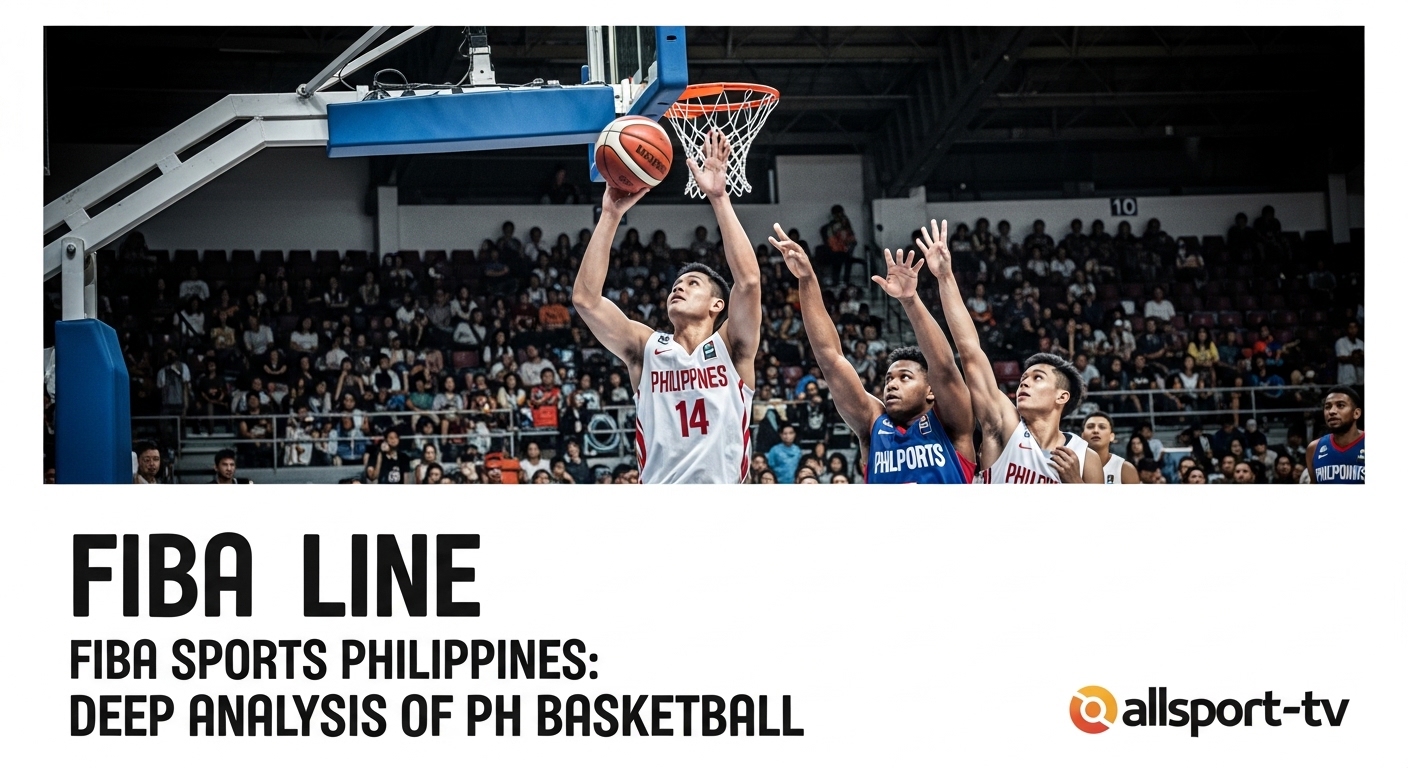
As a banner for broadcasts, fiba Sports Philippines reflects how PH viewers access games across cable, streaming, and social platforms. Basketball in the Philippines is both culture and economy, with local loyalties and national pride shaping demand for every whistle and highlight. This analysis examines how rights deals, platform strategies, and audience behavior converge to redefine what it means to watch FIBA events in the country, and what the shifts imply for fans, leagues, and policymakers.
Market shifts: rights, streaming, and the PH audience
The migration from single-broadcast models to multi-platform ecosystems has been accelerated by the pandemic and the growth of mobile internet. In PH, audiences now access FIBA competition through a mix of free-to-air slots, paid streaming, and official apps. This creates both reach and friction: wider access across social and mobile devices, but more fragmentation, which increases the cost of acquiring and retaining fans. For advertisers and sponsors, the value shifts from reach per se to triage of engagement across screen types, time zones, and local languages. The result is a market where a “fiba Sports Philippines” banner can signal alignment with both global prestige and local relevance, but also demands nimble negotiating of data rights, regional feeds, and archival content. The practical challenge for PH teams is ensuring commentary and language options that resonate with a diverse audience while preserving the integrity of the competition.
Broadcasting realities: stadiums, cafes, and living rooms
In urban centers and rural towns alike, fans gather in bars, homes, and community spaces to watch important games. The broadcasting mix shapes this behavior: when a game is available free-to-air, communal viewing reinforces a shared national moment; when it moves behind paywalls, fans seek alternatives—clips, social streams, or radio noise—creating a vetting process for what counts as legitimate coverage. This dynamic influences how commentators, local studios, and sponsors calibrate language and tone. For some markets, the rise of multi-camera feeds and on-demand replays can allow deeper storytelling—player profiles, tactical breakdowns, and historical context—without sacrificing the immediacy that traditional fans crave. In short, the PH audience is increasingly wired to choose not just what game to watch, but how to watch it, and with whom.
Strategic listening: how teams, sponsors, and media adapt
Smart organizations listen to performance metrics beyond pure view counts: time-spent-watching, clip shares, and social sentiment around the broadcast. For national teams and leagues, this means tailoring content to local languages, creating digestible highlight packages, and leveraging micro-influencers to extend reach. For sponsors, alignment with fiba Sports Philippines signals a commitment to basketball as a platform for community, wellness, and youth development—an important signal in a country with a strong basketball culture. Media partners increasingly demand flexible rights, real-time data, and access to archive footage to fuel daily content cycles, including pre-game analyses and post-game breakdowns. The evolving ecosystem favors a pragmatic, audience-first approach: strike-win rights deals that preserve access, while ensuring enough data and creative resources to sustain engagement across platforms.
Actionable Takeaways
- Develop hybrid rights models that balance free-to-air exposure with targeted streaming to maximize reach while preserving monetization opportunities.
- Invest in local-language commentary and editorial content that explains tactical nuances to casual viewers and hardcore fans alike.
- Build scalable clip and highlight workflows to support rapid social-post content without compromising broadcast integrity.
- Foster partnerships with schools, clubs, and community organizations to grow the fan base beyond traditional arenas, leveraging fiba Sports Philippines as an umbrella for national pride.
- Engage fans with data-informed storytelling, including historical context, player development journeys, and regional rivalries that deepen attachment to PH teams.
Source Context
Contextual references and background sources provide grounding for this analysis.
From an editorial perspective, separate confirmed facts from early speculation and revisit assumptions as new verified information appears.
Track official statements, compare independent outlets, and focus on what is confirmed versus what remains under investigation.
For practical decisions, evaluate near-term risk, likely scenarios, and timing before reacting to fast-moving headlines.