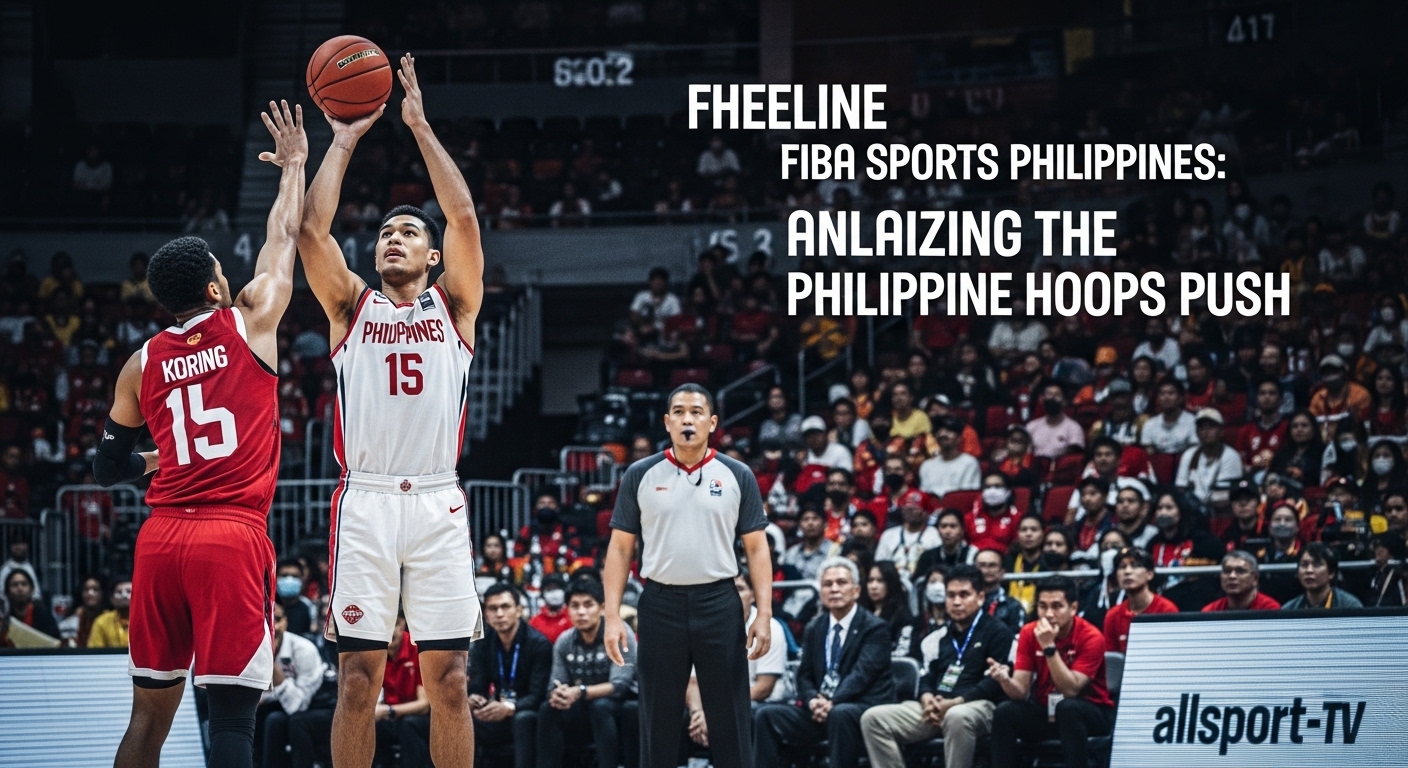
In the arena of fiba Sports Philippines, basketball coverage is more than a game; it’s a barometer of how Philippine fans engage with global hoops and how media, governance, and sponsorship converge to shape the sport’s growth.
Context and landscape for FIBA in the Philippines
The Philippines sits at a unique crossroads in FIBA’s global framework. The national program contends with a crowded calendar, funding limits, and the need to balance domestic leagues with international duties. FIBA-sanctioned events—world cups, Asia Cups, and youth championships—become laboratories for policy decisions that ripple through local broadcasters, sponsors, and community clubs. In recent years, digital rights and streaming developments have redefined access for Filipino fans, enabling more households to follow national teams and emerging talents beyond traditional primetime slots. This context matters for any sober assessment of how the Philippines can convert passion into durable basketball infrastructure, because without reliable access to games, the cycle of dream, disappointment, and renewal can stall.
Opportunities and risks for the Philippine national program
On the opportunity side, strong grassroots ecosystems exist across barangays and city leagues. A credible path from youth programs to national teams requires alignment: coaching education, standardized age-group competitions, and a transparent talent-tracking system that reduces the brain drain to overseas leagues before senior eligibility. FIBA’s development programs—clinic grants, referee education, and women’s basketball initiatives—offer a framework that PH agencies can adapt to local contexts. The risk, however, is that without coherent policy and long-term funding, the best junior players may be siphoned into commercial circuits that de-emphasize fundamentals. The balance between nurturing elite hopefuls and broad-based participation will shape whether the next generation can compete consistently at Asia-level tournaments and, eventually, on the world stage.
Media, technology, and fan engagement
The Philippine viewer expects immediacy, accuracy, and content that fits mobile-first habits. The fragmentation of rights across leagues, streaming platforms, and regional networks means fans may need to chase feeds, often with language or accessibility gaps. For outlets like AllSport-TV, the task is twofold: deliver reliable live streams for national-team assignments and package digestible, data-backed analysis for casual fans and hardcore followers alike. Beyond live games, behind-the-scenes access, player profiles, and explainer pieces on game strategy can deepen listening and viewing habits, increasing the value proposition for sponsors and league administrators. A mature approach considers localization—Filipino-language commentary, clear schedules, and on-demand replays—to convert interest into measurable engagement and, ultimately, sustainable revenue streams that reinvest in the sport.
Actionable Takeaways
- Fans: Seek official broadcast partners and verify schedules through federation announcements; use trusted platforms to access replays and extended highlights to follow the national team across time zones and league calendars.
- Broadcasters and platforms: Invest in reliable streaming infrastructure, multilingual commentary, and on-demand archives; prioritize accessibility for households with varying internet quality.
- Policy makers and federation leaders: Align national sport funding with a transparent, multi-year plan for youth development, coaching education, and governance reforms to build trust with fans and sponsors.
- Sponsors and partners: Tie sponsorships to grassroots programs and youth leagues; track impact with clear metrics that link youth development to national-team performance and community reach.
- Athletes and coaches: Leverage social and broadcast channels to educate fans about game concepts, training methods, and personal journeys; engage with youth programs to widen the sport’s base.
Source Context
From an editorial perspective, separate confirmed facts from early speculation and revisit assumptions as new verified information appears.
Track official statements, compare independent outlets, and focus on what is confirmed versus what remains under investigation.
For practical decisions, evaluate near-term risk, likely scenarios, and timing before reacting to fast-moving headlines.
Use source quality checks: publication reputation, named attribution, publication time, and consistency across multiple reports.
Cross-check key numbers, proper names, and dates before drawing conclusions; early reporting can shift as agencies, teams, or companies release fuller context.
When claims rely on anonymous sourcing, treat them as provisional signals and wait for corroboration from official records or multiple independent outlets.