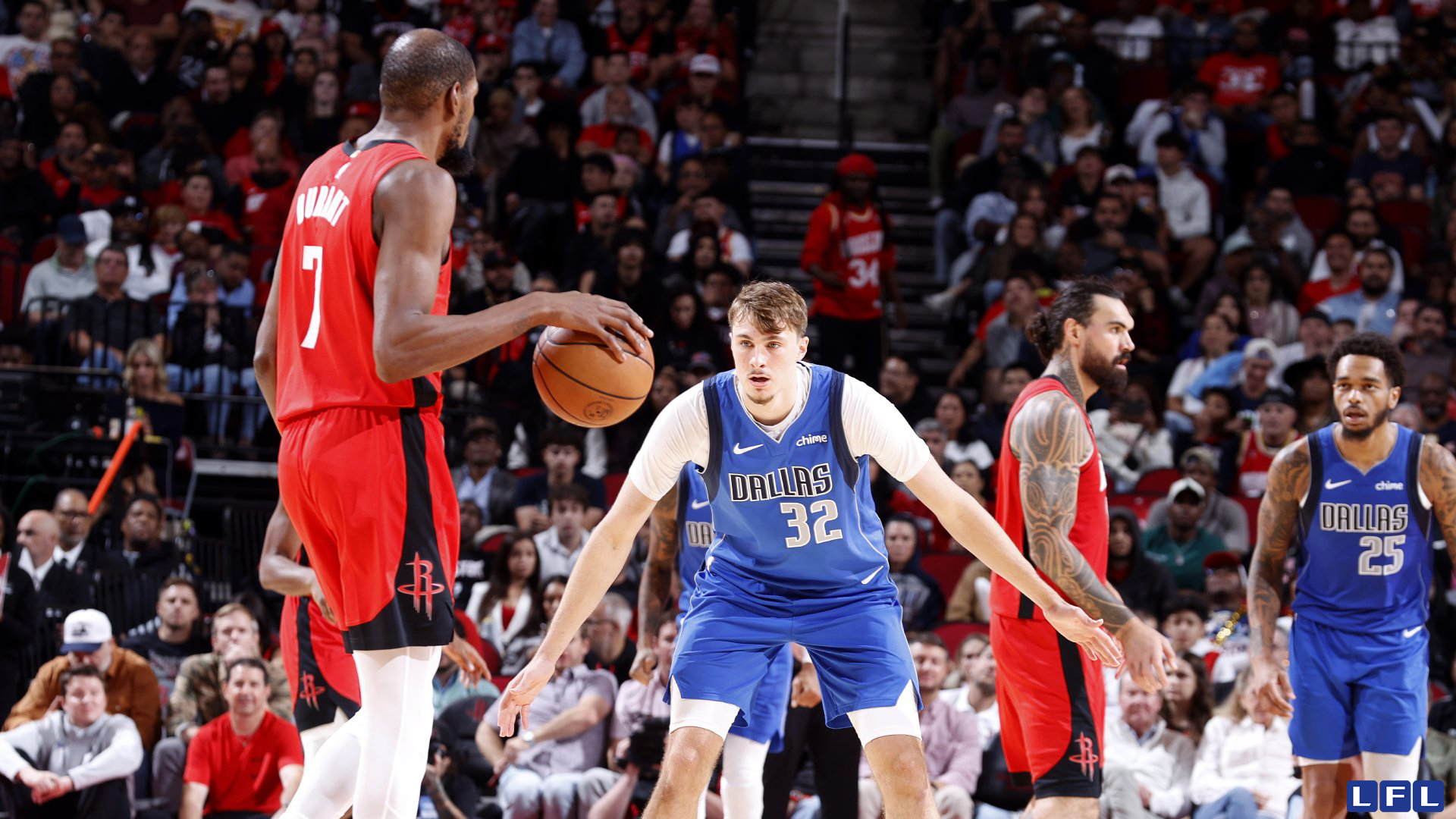
Across Filipino stadiums, streaming app dashboards, and local sports bars, readers increasingly encounter a different rhythm of reporting. This analysis for allsport-tv.com examines how Sports Philippines has transformed into a multimedia engine—where live broadcasts, quick-turnaround clips, and in-depth storytelling converge to shape public perception, sponsorship, and participation. This piece asks how Sports Philippines will navigate a fragmented media landscape and what that means for fans, athletes, and the networks that serve them.
Context: The Philippines as a sports media market
In the Philippines, sports consumption is deeply social and mobile-first. The nation’s leagues—from basketball to volleyball—draw passionate crowds, but the media ecosystem is simultaneously vibrant and fragmented. Regional networks, national broadcasters, and digital platforms compete for attention, often mixing live events with analysis, highlight reels, and fan-generated content. This environment creates feedback loops: audiences push for accessible, digitally packaged coverage, while sponsors seek measurable reach across devices. Leagues, teams, and content creators calibrate calendars and rights to maximize exposure across languages, provinces, and platforms. The result is a market where value derives from the cross-platform journey of content, not from a single channel alone.
Economic incentives and the broadcast landscape
The shift toward streaming, free-to-air partnerships, and subscription models is altering content creation incentives. In a country with high mobile penetration, bite-sized clips and serialized storytelling can monetize attention more quickly than long-form video. Advertisers increasingly demand data on engagement, which favors formats that blend live feeds with concise insights and community polls. For sports bodies and leagues, the digital pivot means more control over narratives but also greater exposure to scrutiny. The Philippines’ audience is time-shifted; replays, condensed games, and behind-the-scenes looks can be as valuable as the live event. This dynamic pushes organizers to invest in analytics, cross-promo planning, and talent development that travels across languages, provinces, and digital ecosystems. Moreover, the emergence of regional streaming hubs enables smaller leagues to reach national audiences without the gatekeeping of traditional broadcasters, creating a more pluralistic, if more complex, media map.
Economically, success hinges on sustainable sponsorship models that align with audience behavior. Short-form content, data-informed scheduling, and interactive formats—such as live polls and viewer-driven commentary—offer clearer metrics for sponsors than classic ratings alone. The challenge is balancing monetization with accessible, affordable fan experiences, ensuring that growth does not price out casual viewers who form the bedrock of youth and community participation.
Policy, platforms, and community impact
Policy environments around media rights, data privacy, and platform moderation shape what is possible on Philippine screens. When platforms prioritize sensational or viral formats, reporters and producers must adapt, sometimes at the expense of context. Yet Filipino athletes and media producers are increasingly leveraging creator economies—short-form series, behind-the-scenes vlogs, multilingual commentary—to connect with a diverse fan base. The opportunity lies in pairing high-production broadcasts with grassroots storytelling that centers community leagues, women’s sports, and regional talents. The policy mix—rights clarity, fair use, and data transparency—will determine how deeply local voices can penetrate national conversations. A healthy ecosystem rewards accuracy and accountability while enabling innovation in how stories are told across devices and languages.
Local talent development is pivotal. Commentators, reporters, and producers who understand regional dialects, rural access issues, and urban sports cultures can humanize big events without sacrificing analytical rigor. When platforms support multilingual and multisensory storytelling, fans see themselves reflected on screen, which strengthens loyalty and grassroots participation. The risk, however, is a widening gap between well-funded studios and under-resourced community programs. Policymakers and platform operators should champion inclusive funding models and transparent rights-sharing agreements to keep the ecosystem accessible for aspiring journalists and creators from all regions.
Actionable Takeaways
- Invest in multiplatform production that blends live broadcast with concise, context-rich clips for social channels.
- Prioritize local talent pipelines—commentators, reporters, and creators who reflect regional diversity and women’s sports.
- Adopt transparent metrics for engagement and sponsorship value to satisfy advertisers and fans alike.
- Foster partnerships with grassroots leagues to build a steady stream of authentic content and community programs.
Source Context
For broader context on media dynamics and sports storytelling, see: