The Emergence of Fantasy Leagues and Their Influence on Sports Fandom
In recent years, fantasy sports leagues have revolutionized the way fans engage with their favorite sports. What started as a niche hobby among a small group of enthusiasts has burgeoned into a multi-billion dollar industry with millions of participants worldwide. This evolution has not only changed how fans consume sports but also how they interact with each other and even how they perceive the games themselves. In this comprehensive exploration, we’ll delve into the rise of fantasy leagues and their profound impact on sports fandom.
The Origins of Fantasy Sports
The concept of fantasy sports can be traced back to the 1960s when a group of friends in New York created a rudimentary version of what we know today. However, it wasn’t until the advent of the internet in the 1990s that fantasy sports gained significant traction. The ability to manage teams online and access real-time statistics transformed fantasy sports from a casual pastime into a dynamic platform for sports engagement.
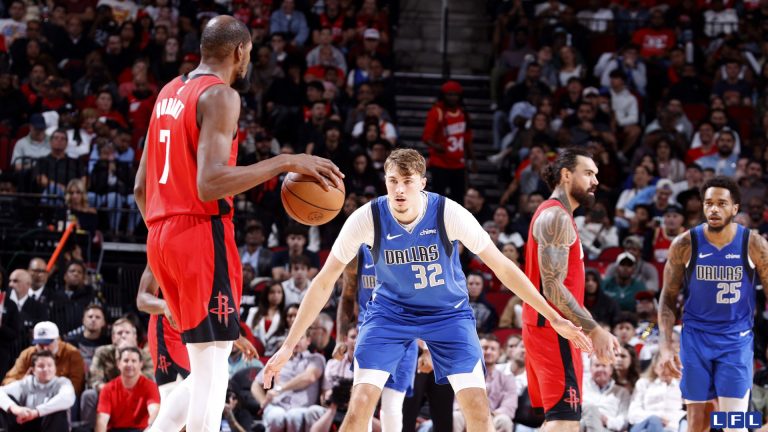
Fantasy sports initially focused on American football, but it has since expanded to include a wide range of sports, including baseball, basketball, soccer, and even niche sports like cricket and golf. This expansion has allowed fans from diverse backgrounds to participate, fostering a global community of sports enthusiasts.
How Fantasy Leagues Work
In a typical fantasy league, participants act as team managers, drafting real-life athletes to form a virtual team. The performance of these athletes in actual games directly affects the fantasy team’s success. Points are awarded based on predetermined criteria, such as yards gained, goals scored, or assists made. The competitive aspect of fantasy leagues lies in the strategic management of the team, including trades, drafts, and player selections.

The rise of advanced analytics and data-driven decision-making has further complicated fantasy sports, creating an environment where knowledge and strategy are paramount. This has attracted a new generation of fans who are as interested in statistics and probabilities as they are in the games themselves.
The Impact on Sports Viewership
Fantasy leagues have had a significant influence on how fans watch sports. With a vested interest in individual player performances, fans often find themselves watching games they might not have otherwise cared about. For instance, a fan of a particular NFL team might tune into a game between two teams they have no allegiance to simply because they have players from those teams on their fantasy roster.
This shift has led to increased viewership and engagement for sports leagues and broadcasters. Networks and streaming services have capitalized on this trend by offering fantasy-specific programming and real-time updates, further blurring the line between sports entertainment and personal investment.
Community and Social Interaction
Fantasy leagues foster a sense of community among participants. Whether through friendly competition among friends or online leagues with strangers, fantasy sports have created new social networks centered around a shared passion for sports. Platforms like Reddit and Discord host vibrant fantasy sports communities where members exchange tips, discuss strategies, and share in the highs and lows of the fantasy season.
The social aspect of fantasy sports is not limited to online interactions. Many leagues host live drafts, viewing parties, and end-of-season celebrations, adding a tangible, communal element to what is often an individual pursuit. This blending of online and offline interactions enriches the overall experience, making fantasy sports a year-round activity.
The Economic Impact of Fantasy Sports
The economic footprint of fantasy sports is substantial. According to the Fantasy Sports & Gaming Association, the industry generates billions of dollars annually. This includes revenue from league entry fees, advertising, data subscriptions, and sponsorships. The popularity of fantasy sports has also spurred the growth of ancillary services, such as draft kits, analytical tools, and expert consulting.

Moreover, the gambling aspect of fantasy sports, particularly in daily fantasy leagues, has attracted scrutiny and regulation. While traditional fantasy leagues play out over the course of a season, daily fantasy sports allow participants to draft new teams for individual games, often with the potential for significant monetary rewards. This format has been compared to sports betting, leading to discussions about its legality and ethical implications.
The Influence on Athlete Perception
Fantasy sports have altered how fans perceive athletes. Once viewed primarily as team players, athletes are now often evaluated based on their individual statistical contributions. This shift has encouraged a more analytical approach to sports fandom, where fans are as interested in player efficiency ratings and advanced metrics as they are in team success.
For athletes, this can be a double-edged sword. While fantasy success can enhance a player’s popularity and marketability, it can also lead to increased pressure and scrutiny. Players are often aware of their fantasy value and may even engage with fans on social media platforms about their performance in fantasy leagues.
The Future of Fantasy Sports
As technology continues to evolve, so too will fantasy sports. The integration of virtual reality and augmented reality could provide even more immersive experiences for fantasy participants. Imagine watching a game through a VR headset, with real-time fantasy statistics and player updates displayed in your field of vision.
Additionally, the growing popularity of esports presents new opportunities for fantasy sports. Platforms are already emerging that allow fans to create fantasy teams based on professional gamers and esports tournaments. This expansion into digital realms reflects the dynamic nature of fantasy sports and its ability to adapt to changing entertainment landscapes.

Takeaways
The emergence of fantasy leagues has undeniably transformed the sports landscape. By offering fans an interactive and personalized way to engage with sports, fantasy leagues have deepened the connection between fans and athletes, increased viewership, and spawned vibrant communities both online and offline. As the industry continues to grow and evolve, its influence on sports fandom will undoubtedly remain profound.
Whether you’re a casual fan or a seasoned fantasy manager, the world of fantasy sports provides endless opportunities for engagement, strategy, and camaraderie. As we look to the future, it’s clear that fantasy sports will continue to play a pivotal role in shaping the way we experience and enjoy the world of sports.
The Psychological Impact of Fantasy Sports
Beyond the social and economic dimensions, fantasy sports also have a psychological impact on participants. The sense of control and decision-making involved in managing a fantasy team can provide a rewarding experience for many fans. This feeling of empowerment can translate into a deeper emotional investment in the outcomes of real-world games.
Moreover, fantasy sports offer a form of escapism. For a few hours each week, fans can immerse themselves in the strategic elements of team management, temporarily setting aside daily stresses and concerns. The anticipation of game days and the thrill of player performances create an emotional rollercoaster that many enthusiasts find exhilarating.
The Role of Technology in Fantasy Sports
Technology has been a driving force behind the growth of fantasy sports. Mobile applications and user-friendly websites have made it easier than ever to join and manage fantasy leagues. These platforms provide real-time updates, news, and analytics, enabling participants to make informed decisions about their teams.
Social media has also played a significant role in the proliferation of fantasy sports. Platforms such as Twitter and Instagram allow fans to follow expert analysts, engage in discussions, and stay updated on player news. The democratization of information through digital channels has leveled the playing field, allowing anyone with internet access to become a knowledgeable fantasy sports participant.

The Educational Potential of Fantasy Sports
Interestingly, fantasy sports have educational potential as well. Many educators have recognized the opportunity to use fantasy sports as a tool for teaching mathematics, statistics, and probability. The analytical nature of fantasy sports encourages participants to engage with data, calculate probabilities, and develop strategic thinking skills.
Teaching through fantasy sports can also extend beyond mathematics. Discussions around player performance can lead to explorations of sportsmanship, teamwork, and the business aspects of sports management. This multifaceted approach makes fantasy sports a unique and engaging educational tool.
Challenges and Considerations
Despite their popularity, fantasy sports are not without challenges. Concerns about gambling and addiction are prevalent, particularly in the context of daily fantasy sports. The possibility of financial loss and the time commitment required can negatively impact participants if not managed responsibly.
There are also ethical considerations surrounding the commodification of athletes. While fantasy sports celebrate individual achievements, they can also reduce athletes to mere statistical entities, potentially diminishing the appreciation for their contributions beyond the numbers.
Additionally, the competitive nature of fantasy sports can sometimes lead to unhealthy rivalries and conflicts among participants. It is important for individuals to approach fantasy sports with a balanced perspective, prioritizing enjoyment and camaraderie over competition.
Expanding Diversity in Fantasy Sports
As fantasy sports continue to evolve, there is a growing focus on expanding diversity within the community. Initiatives aimed at increasing female participation and representation are gaining traction, highlighting the need for inclusivity in a traditionally male-dominated space.

Efforts to engage younger audiences and diversify the types of sports included in fantasy leagues are also underway. By broadening the appeal and accessibility of fantasy sports, organizers hope to create a more inclusive environment that reflects the diverse interests of the global sports community.
The Global Reach of Fantasy Sports
The global reach of fantasy sports is steadily increasing. While fantasy sports have long been popular in the United States, regions such as Europe, Asia, and Latin America are experiencing rapid growth in participation. This globalization is fueled by the international appeal of sports like soccer and cricket, which transcend cultural boundaries.
As fantasy sports gain international popularity, they are also fostering cross-cultural exchanges and understanding. Fans from different parts of the world can connect over a shared passion for sports, creating a global community united by competition and camaraderie.
Final Thoughts
Fantasy sports have fundamentally changed the landscape of sports fandom, offering fans a unique and immersive way to engage with their favorite sports. By blending competition, community, and technology, fantasy leagues have created a dynamic and multifaceted industry that continues to grow and evolve.
As fans, participants, and stakeholders look to the future, the potential for innovation and expansion in fantasy sports is vast. Whether through technological advancements, educational initiatives, or efforts to increase diversity and inclusion, the world of fantasy sports is poised to remain an integral and influential part of the sports experience for years to come.
For those interested in exploring the vast world of fantasy sports, resources like the National Football League and the Premier League offer platforms and tools to get started. Whether you’re a seasoned veteran or a curious newcomer, the opportunities within fantasy sports are limitless.
About the Author