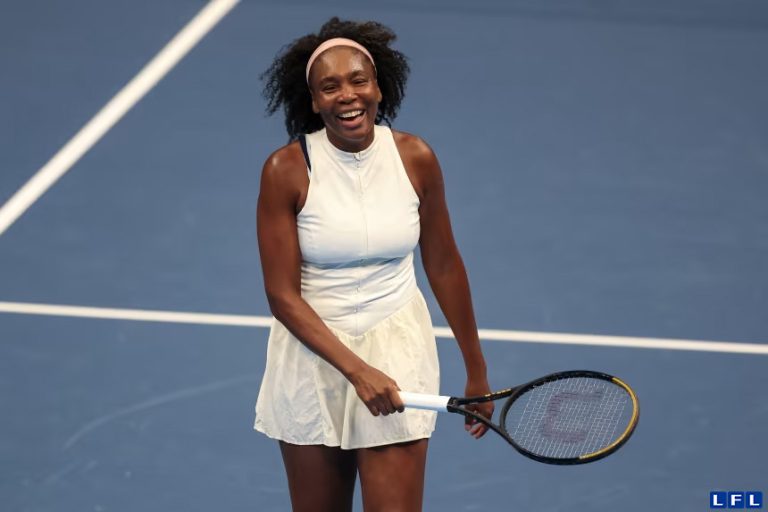
The Evolution of Women’s Sports: A Journey towards Equity
Women’s sports have undergone a remarkable transformation over the past century. From being sidelined and denied opportunities to becoming a prominent and celebrated aspect of the global sports arena, the journey of women’s sports is a testament to resilience, advocacy, and progress. This blog post delves into the evolution of women’s sports, highlighting key milestones, ongoing challenges, and the road towards true equity.
The Early Days: Struggles and Triumphs
In the late 19th and early 20th centuries, women participating in sports were often met with societal resistance. Traditional gender roles dictated that sports were unladylike and unsuitable for women. Despite this, pioneering women like Alice Milliat fought for inclusion and equality in competitive sports. Milliat’s efforts led to the establishment of the Women’s World Games in 1922, a crucial step in highlighting the capabilities of female athletes.
During this era, women were primarily involved in sports such as tennis, golf, and gymnastics, which were deemed more “suitable” for them. The participation in these sports laid the groundwork for future generations and began to shift public perception.
Breaking Barriers: Title IX and Its Impact

A significant turning point in the evolution of women’s sports was the passage of Title IX of the Education Amendments in 1972 in the United States. This landmark legislation prohibited gender discrimination in federally funded education programs, including sports. Title IX opened the floodgates for increased female participation in high school and collegiate athletics, leading to a dramatic increase in opportunities for women.
The impact of Title IX was profound, as it not only increased the number of female athletes but also improved the quality of sports programs available to them. This legislation is credited with transforming the landscape of women’s sports in the U.S. and has served as a model for other countries striving for gender equity. You can learn more about the details of Title IX and its impact on women’s sports.
Global Growth and Recognition
The late 20th and early 21st centuries have seen a surge in the global popularity of women’s sports. International competitions, such as the FIFA Women’s World Cup and the Women’s Olympic Games, have attracted millions of viewers worldwide, showcasing the talents of female athletes on a grand stage.
In 1991, the inaugural FIFA Women’s World Cup was held in China, marking a significant milestone in the global recognition of women’s soccer. The tournament has since grown exponentially, with the 2019 edition in France setting viewership records and highlighting the increasing demand and support for women’s sports across the globe.
Similarly, the inclusion of more women’s events in the Olympic Games has further amplified the visibility and prestige of female athletes. With each Olympic cycle, the number of female participants has risen, reflecting a broader commitment to gender equity in sports.

Challenges and the Road Ahead
Despite the significant progress made, women’s sports continue to face challenges, particularly concerning pay equity, media coverage, and representation in leadership roles. Female athletes often earn less than their male counterparts, even when competing at the same level or achieving similar success. This disparity is evident in sports such as soccer, basketball, and tennis.
Efforts to address these challenges are ongoing. Organizations and advocates push for greater transparency and equality in pay and endorsement opportunities. Advocacy groups emphasize the importance of equitable media coverage to boost visibility and support for women’s sports.
Another critical area is the representation of women in sports leadership roles. Increasing the number of female coaches, referees, and administrators is essential to ensuring that women’s perspectives and needs are adequately represented and addressed within the sports industry.
The Role of Media and Technology
The digital age has transformed how sports are consumed, and women’s sports have benefited from this shift. Social media platforms and streaming services provide a direct channel for female athletes and teams to connect with fans, bypassing traditional gatekeepers. This increased visibility has led to a more engaged and supportive fan base, contributing to the growth of women’s sports.
Moreover, technological advancements in sports science and training have enabled female athletes to push the boundaries of human performance. Enhanced training methods, equipment, and analytics have allowed women to compete at the highest levels and set new records across various sports disciplines.

Conclusion: Towards True Equity
The evolution of women’s sports is a journey marked by perseverance, activism, and progress. While significant strides have been made, the quest for true equity in sports is ongoing. It requires continued effort from all stakeholders, including athletes, organizations, media, and fans.
By addressing the remaining challenges and fostering an inclusive environment that values and celebrates female athletes, the sports industry can continue to evolve towards greater equity. The future of women’s sports is bright, with the potential to inspire and empower generations to come.
The journey towards equity in women’s sports is not just a women’s issue; it is a societal imperative that benefits everyone. By supporting and investing in women’s sports, we contribute to a more just and equitable world for all.
The Importance of Grassroots Initiatives
Grassroots initiatives play a pivotal role in advancing women’s sports by nurturing young talent and fostering a love for sports from an early age. Community programs and local clubs provide a platform for young girls to engage in various sports activities, develop their skills, and build confidence. These initiatives are often the first step in creating a pipeline of talented female athletes who can progress to higher levels of competition.

Organizations around the world are investing in grassroots programs to ensure that girls have equal access to sports facilities, coaching, and competitions. By prioritizing inclusivity and accessibility, these initiatives help break down barriers and encourage participation from diverse backgrounds.
Role Models and Mentorship
The presence of strong role models and mentors in women’s sports is crucial for inspiring the next generation of athletes. Successful female athletes who have broken records and achieved remarkable feats serve as powerful examples for young girls, showing them what is possible with dedication and hard work.
Mentorship programs connect aspiring athletes with experienced professionals who can provide guidance, support, and encouragement. These relationships are instrumental in helping young athletes navigate challenges, set goals, and develop a strong sense of identity both on and off the field.
Corporate Sponsorship and Investment
Corporate sponsorship and investment are key drivers in the growth and sustainability of women’s sports. As more brands recognize the value and potential of women’s sports, they are increasingly investing in sponsorship deals, marketing campaigns, and collaborations with female athletes and teams.
This financial support not only elevates the visibility of women’s sports but also provides athletes with the resources they need to train, compete, and succeed. Companies that champion gender equality in sports contribute to a more balanced and diverse sports landscape.
International Collaboration and Policies
International collaboration and policy-making are essential for promoting gender equity in sports on a global scale. Organizations such as the International Olympic Committee (IOC) and FIFA have implemented policies and initiatives aimed at increasing female participation and representation in sports.

These efforts include setting targets for gender equality in leadership roles, promoting women’s competitions, and advocating for equal pay and conditions. By working together, international sports bodies can create a unified approach to addressing the challenges faced by women in sports and encourage positive change worldwide.
Education and Advocacy
Education and advocacy are powerful tools in the fight for gender equity in sports. Raising awareness about the importance of women’s sports and the challenges faced by female athletes is crucial for garnering support and driving policy changes.
Advocacy campaigns led by athletes, organizations, and supporters highlight issues such as pay disparity, media representation, and access to resources. These efforts help to shift public perception and build a more inclusive sports culture that values and respects female athletes.
Takeaways
The evolution of women’s sports is a dynamic and ongoing journey. As we continue to make strides towards equity, it is important to celebrate the achievements and recognize the challenges that remain. By fostering a supportive environment and advocating for change, we can ensure that future generations of female athletes have the opportunity to thrive and succeed.
Ultimately, the journey towards equity in women’s sports is a collective effort that requires the collaboration and commitment of athletes, organizations, policymakers, and fans. Together, we can create a world where women’s sports are valued equally and celebrated for their contributions to the sporting world and society at large.
About the Author