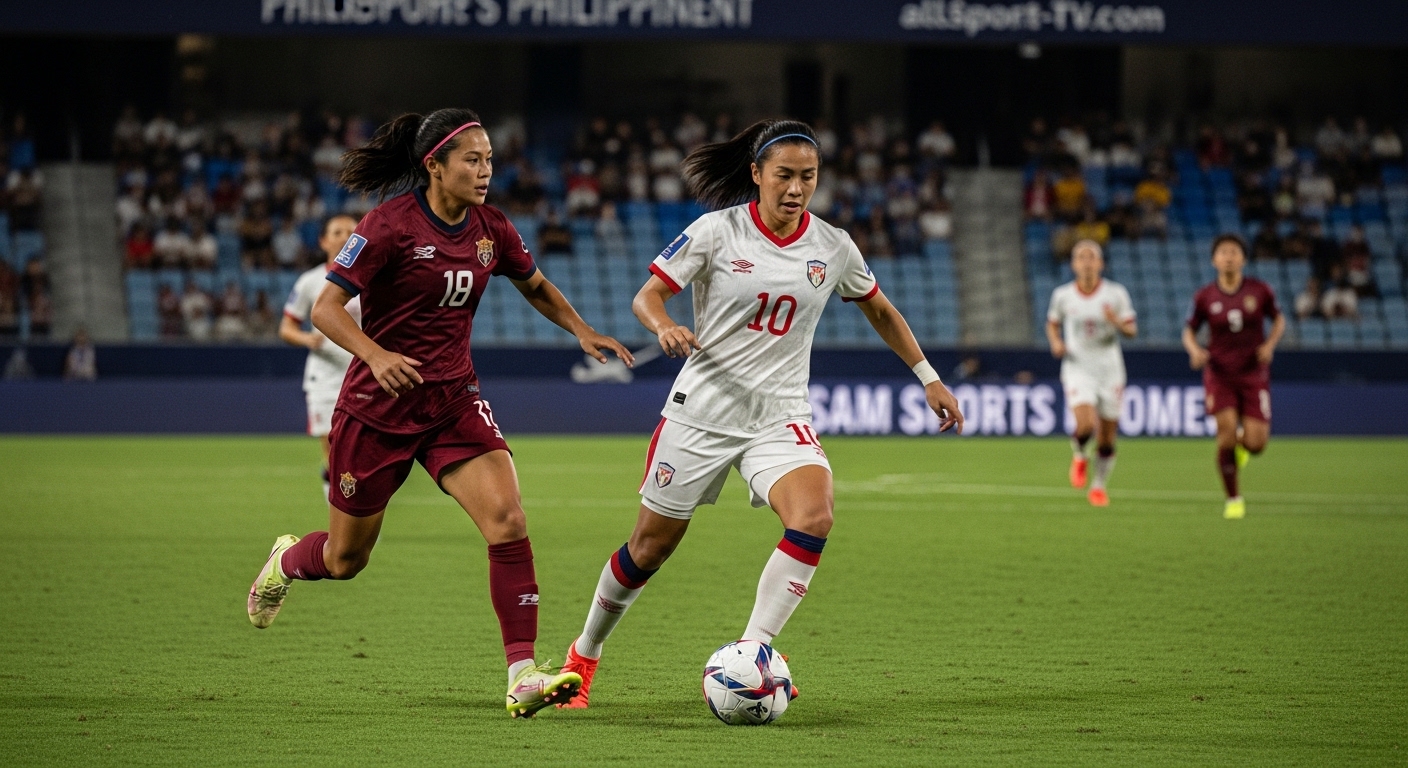
In the Philippines, ptv Sports Philippines stands at the convergence of public service broadcasting and national athletic ambition, signaling a shift in how Filipinos access competitive sports beyond the paywalls of private outlets. This analysis looks at what the brand could mean for viewers, leagues, and policy makers, and how it might reshape the broader rights and streaming ecosystem that now serves a mobile-first audience.
Context: Public Broadcasting and the Philippine Sports Landscape
Public broadcasters in the Philippines have long carried a mandate to widen access to important events, education, and culture. ptv Sports Philippines enters this frame as a banner under the state network that aspires to blend national pride with practical coverage of local leagues, regional teams, and rising athletes. The challenge is not just securing airtime but curating coverage that resonates across generations and geographies, from Manila to Mindanao. In a market where piracy, data costs, and varying internet quality shape viewing habits, a free-to-air and online hybrid approach could offer durable reach for high‑spending sponsors and public partners alike. The question is not only what to show, but when and how to show it to maximize educational value, community participation, and healthy competition.
Audience, Rights, and Revenue: The Economic Matrix
The Philippine sports ecosystem relies on a patchwork of rights holders, sponsors, and media partners. For ptv Sports Philippines, the strategic question centers on multiplexing free-to-air access with digital platforms to reach a youth cohort that consumes content on mobile devices. Rights economics in this space are shaped by competition among networks for marquee events and by the willingness of advertisers to fund broad reach rather than niche audiences alone. A practical path could involve modular rights deals that bundle national events with regional broadcasts, complemented by live streaming and highlight packages that can be monetized through partnerships with telecoms and data providers. Ensuring affordability of data during major events becomes a public interest issue when a large portion of the population relies on mobile data for sports consumption. The upside is the potential for more robust archival rights and the ability to deploy grassroots coverage that nurtures talent pipelines at the youth and collegiate levels.
Policy, Access, and the Public Interest
Access to sports programming is not merely entertainment; it is a civil information good in a country with uneven digital infrastructure. The ptv Sports Philippines proposition must reckon with the digital divide, regional bandwidth variation, and the need for inclusive content that supports physical education, local leagues, and national squads. Public service considerations include accessibility for Persons with Disabilities, bilingual or multi dialect commentary, and programming that aligns with school calendars and community sports initiatives. Public broadcasters can also leverage collaborations with state agencies and local government units to offer live events, training programs, and behind‑the-scenes coverage that deepen civic engagement with athlete development. These choices have implications for national identity, sports tourism, and the long‑term resilience of the Philippines as a competitive sporting nation.
Framing the Future: Opportunities for Growth
Looking ahead, ptv Sports Philippines could anchor its strategy on three pillars: platform diversification, audience‑centered programming, and transparent governance of rights partnerships. Platform diversification means blending linear broadcasting with streaming, social clips, and on‑demand archives to meet varied consumption patterns without sacrificing public value proposition. Audience‑centered programming involves listening to viewer feedback, prioritizing domestic leagues, and providing educational content around sport science, coaching, and youth development. Governance should emphasize clear rights ownership, fair access for provincial networks, and detailed reporting on reach and impact. If infrastructure upgrades occur—such as improved sports facilities and training centers—there is an opportunity to package events as live broadcast content that highlights Filipino athletes on national and international stages. This synergy between investment, policy, and media delivery could strengthen ptv Sports Philippines as a durable conduit for national pride and practical sports outcomes.
Actionable Takeaways
- Invest in multi‑platform distribution to reach mobile, online, and traditional TV audiences without compromising public service goals.
- Prioritize domestic leagues and youth development programs to build a sustainable talent pipeline that viewers can follow.
- Form transparent, rights‑management partnerships with clear benchmarks on reach, accessibility, and local content quotas.
- Enhance data analytics to tailor programming and measure social impact, not just viewership numbers.
- Collaborate with government and private sponsors to improve infrastructure that underpins content creation and athlete development.