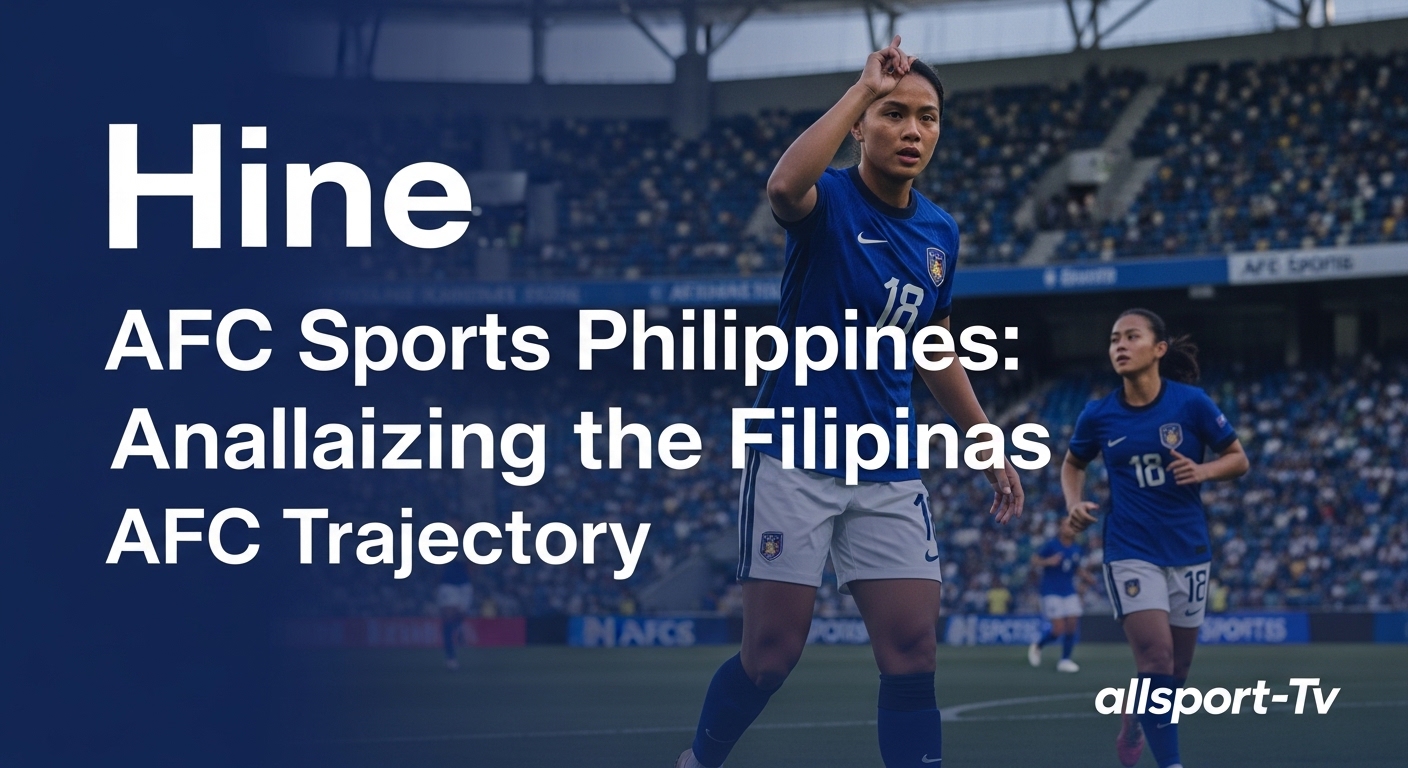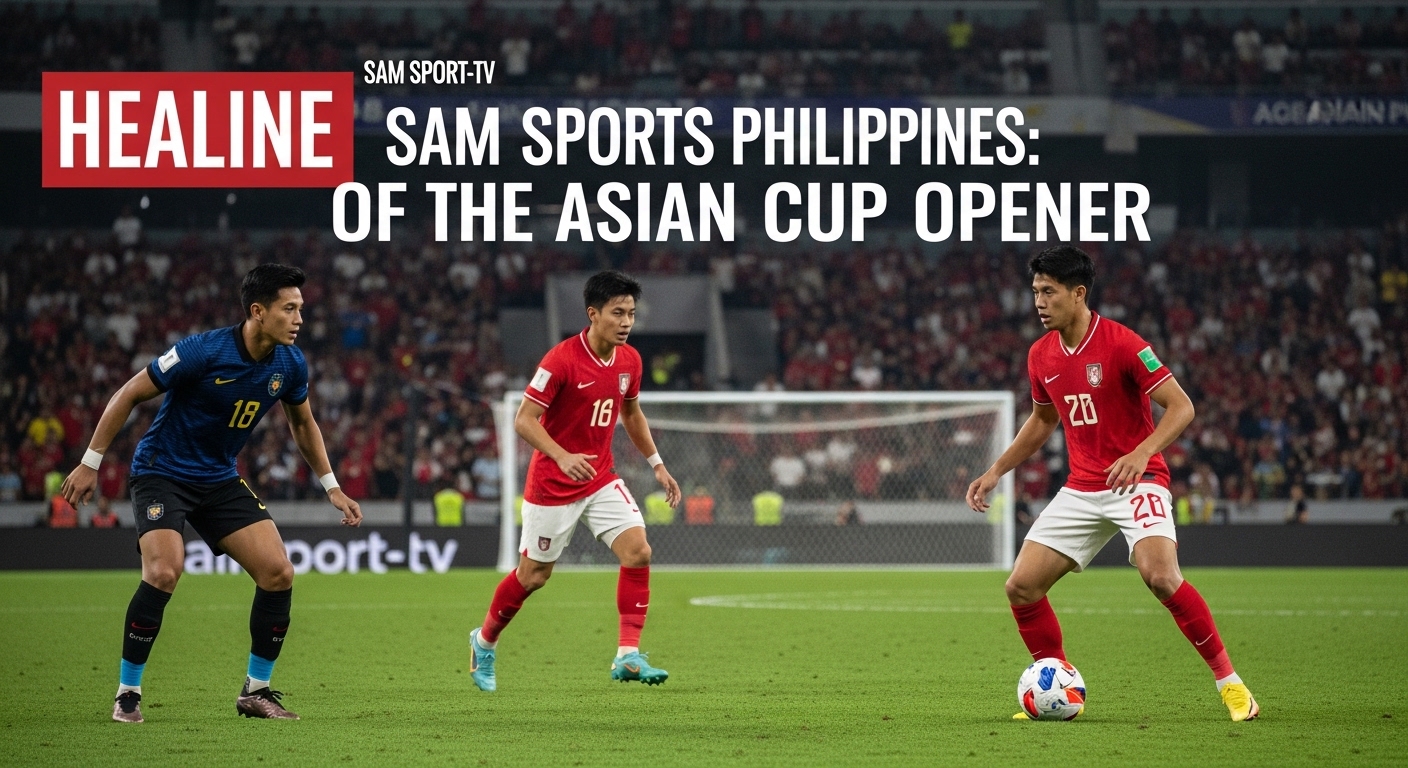
sam Sports Philippines presents a deep, data-informed look at the AFC Women’s Asian Cup opener, where the Philippines confronts a higher-profile opponent and a test of systemic development beyond the scoreboard.
The Philippines in focus: context and stakes
In recent years, Philippine women’s football has moved from sporadic tournaments to a more regular pipeline of youth development, coaching education, and domestic exposure. The opening match against Australia is not only a fixture on the calendar; it is a gauge of whether progress in camps, grassroots leagues, and broadcast reach is translating into results at the continental level. For Philippine fans and sponsors, the game is a litmus test for the impact of investments in training facilities, scouting networks, and female-athlete support programs. A favorable result would amplify media attention, unlock sponsorships, and accelerate the push to integrate women’s football more fully into the country’s broader sports narrative. A disciplined performance, even in defeat, could signal that the country is building a sustainable path rather than chasing episodic success.
Tactics, dynamics, and pathways
Australia’s quality in ball possession, pace on the wings, and set-piece threat frames the Philippines’ tactical plan. The Philippines may lean on compact defensive shape, quick transitions, and discipline to close down channels for central play, while banking on efficient counterattacks when space opens. Coaches are likely to rotate personnel to preserve energy, test adaptable formations, and optimize midfield control with ball-playing wingers who can create numerical advantages in wide areas. Off the field, the story extends to player development timelines, where the national program is balancing immediate match readiness with longer-term skill acquisition, such as set-piece routines, goalkeeper coaching, and defensive organization. The match also highlights how media narratives—highlight reels, social media clips, and fan engagement—shape public expectations and, in turn, national funding cycles for women’s programs.
Media, sponsorship, and grassroots implications
The scale and tone of media coverage influence sponsorship willingness and grassroots participation. In the Philippines, a visible, credible broadcast plan can convert casual viewers into long-term supporters, translating into greater youth enrollment, sponsorship deals, and league viability. Conversely, a narrow broadcast footprint or fragmented social-media reach can dampen the perceived return on investment for sponsors and delay the acceleration of domestic leagues. The opening game, therefore, is not only a test of technical readiness but also of the ecosystem around the team—how coaches, broadcasters, clubs, and fans coordinate to sustain momentum for the next qualifier window and beyond.
Actionable Takeaways
- Fans: Follow official channels for post-match analysis and engage with club and federation content to bolster visibility for women’s football.
- Coaches and players: Prioritize adaptable defensive shapes and set-piece drills that convert chances in tight games against stronger groups.
- Sponsors and broadcasters: Align long-term investment with partnerships that emphasize development pipelines, youth academies, and women’s league exposure for measurable return.
- Governance and federation: Accelerate data-driven scouting, invest in women’s football education, and publish transparent performance metrics to maintain accountability and progress tracking.
Source Context
From an editorial perspective, separate confirmed facts from early speculation and revisit assumptions as new verified information appears.
Track official statements, compare independent outlets, and focus on what is confirmed versus what remains under investigation.
For practical decisions, evaluate near-term risk, likely scenarios, and timing before reacting to fast-moving headlines.
Use source quality checks: publication reputation, named attribution, publication time, and consistency across multiple reports.
Cross-check key numbers, proper names, and dates before drawing conclusions; early reporting can shift as agencies, teams, or companies release fuller context.
When claims rely on anonymous sourcing, treat them as provisional signals and wait for corroboration from official records or multiple independent outlets.
Policy, legal, and market implications often unfold in phases; a disciplined timeline view helps avoid overreacting to one headline or social snippet.
Local audience impact should be mapped by sector, region, and household effect so readers can connect macro developments to concrete daily decisions.