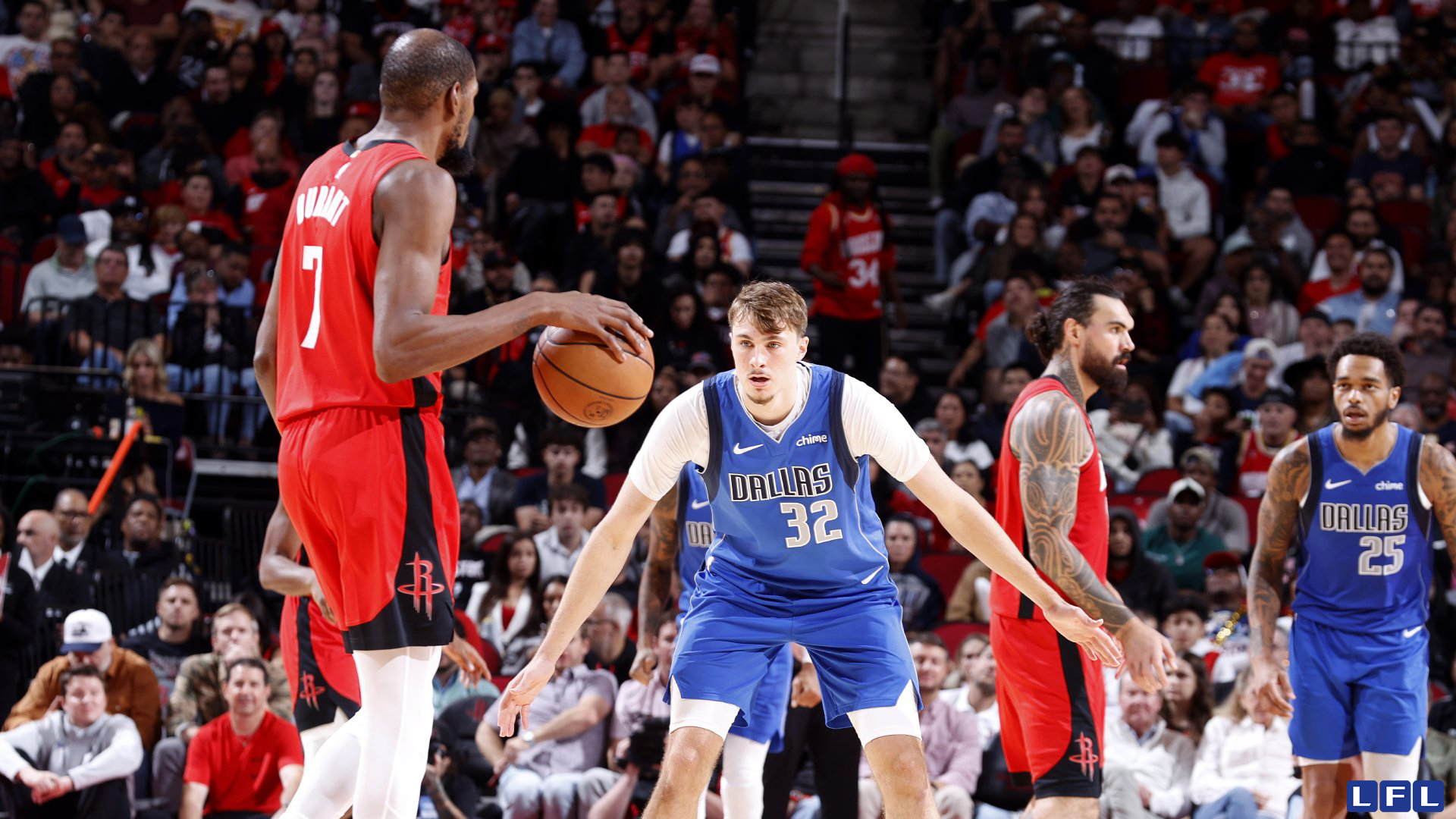
This report examines how global shifts in sport trends intersect with the Philippine scene, shaping the sports Sports Philippines audience, sponsorship decisions, and the trajectory of national teams. It is a moment to assess not just who dominates broadcast slots, but how communities engage, invest, and participate in sport across provinces and cities.
Global Trends Reshaping Local Arenas
Across the world, streaming platforms, data analytics, and evolving sponsorship models are rewriting the economics of sport. For the Philippines, these trends manifest as mobile-first consumption, the rise of short-form highlights, and a demand for more regional coverage. Leagues and federations are learning to think in terms of fan journeys—how a game becomes a conversation on social media, a clip circulated in a group chat, or a community event that coincides with a local festival. The challenge is not simply broadcasting rights, but building a resilient ecosystem where fans can participate at multiple levels—from grassroots to elite—without feeling left out if a game is not on their preferred platform.
Global players are increasingly savvy about tailoring content to regional tastes, which offers an opportunity for the Philippines to leverage its strong basketball culture and diversify into other sports. Doing so requires investment in data-informed decision making, inclusive programming that reflects regional voices, and partnerships that share risk and reward with broadcasters, sponsors, and government agencies. The overall effect could be a more sustainable sports sector that can weather economic cycles while expanding opportunities for aspiring Filipino athletes.
Broadcast Rights and the Philippine Market
Broadcast rights have shifted from a single marquee deal to a mosaic of distribution channels, where platforms compete for attention through price, accessibility, and quality of experience. In the Philippine context, fans increasingly expect reliable streaming, clear commentary in local languages, and a mix of live games and on-demand analysis. This has implications for pricing models, as fans balance enthusiasm with cost sensitivity. For national teams and popular leagues, the key is to ensure broad access—whether through free-to-air partners, affordable streaming bundles, or community screenings—so that sponsorships can reach mass audiences while still delivering measurable value to brands through engagement metrics and regional reach.
Adoption of hybrid broadcast models—combining traditional TV with digital platforms—appears to be a practical path, particularly when data privacy and user experience are prioritized. Philippine media firms that coordinate with federations can optimize schedules around school calendars, holidays, and local events, maximizing attendance and viewership. In this environment, content that goes beyond the game—behind-the-scenes access, athlete profiles, and youth development stories—helps cultivate a more loyal fan base and grow future sponsorship pipelines.
Development Pathways for Filipino Athletes
From neighborhood courts to national teams requires a deliberate ladder of opportunities. The Philippines benefits from programs that connect schools, local clubs, and national federations, providing coaching, facilities, and mentorship at scale. Expanding access to talent hubs outside Metro Manila, investing in safe training environments, and ensuring continuity between youth leagues and senior competition are essential ingredients for sustained success. In practice, that means standardized coaching curricula, sport science support, and career guidance that helps athletes leverage sport into education and work beyond their competitive years.
Women’s sports and para-sport development also deserve focused attention, as progress in these areas broadens the base of participation and strengthens national identity through inclusive achievement. While elite results attract attention, the broader social and economic benefits arise from increased participation, better health outcomes, and the creation of local ecosystems that can produce world-class athletes across disciplines. Strategic funding and transparent governance help ensure that programs deliver both short-term results and long-term resilience for the country’s sporting ambitions.
The Media Consumer in the Digital Era
Fans curate their sports diets with a mix of live events, in-depth analysis, and user-generated conversation. The Philippines, with a highly mobile population, is especially responsive to on-the-go content, bite-sized highlights, and data-driven storytelling that explains “what happened and why.” Media outlets that succeed in this environment blend robust analytics, human-interest narratives, and culturally resonant framing—showing how a game reflects regional pride, family rituals, and local economies. In practical terms, this means newsroom investments in data visualization, regional correspondents, and partnerships with local creators who can translate complex strategy into accessible, entertaining formats for a diverse audience.
As digital platforms diversify, audience trust hinges on accuracy, transparency, and consistency. Coverage that connects the dots between development programs, player progress, and community impact can turn casual viewers into long-term supporters. The Philippines’ unique sports landscape—where basketball sits at center stage but where other disciplines are growing—requires a balanced editorial approach that respects tradition while embracing innovation.
Actionable Takeaways
- Build nationwide development pipelines that connect schools, clubs, and federations with clear coaching standards and measurable outcomes.
- Adopt hybrid broadcast models that combine free-to-air access with affordable streaming to maximize reach and sponsorship value.
- Invest in multilingual and regionally representative storytelling to broaden fan engagement beyond Metro Manila.
- Prioritize data-informed coverage—analyzing why outcomes happened and how decisions shape long-term athlete development.
- Expand coverage of women’s and para-sports to diversify participation and strengthen national sporting identity.
Source Context
For background on recent Philippine sports coverage and international framing, see these sources: