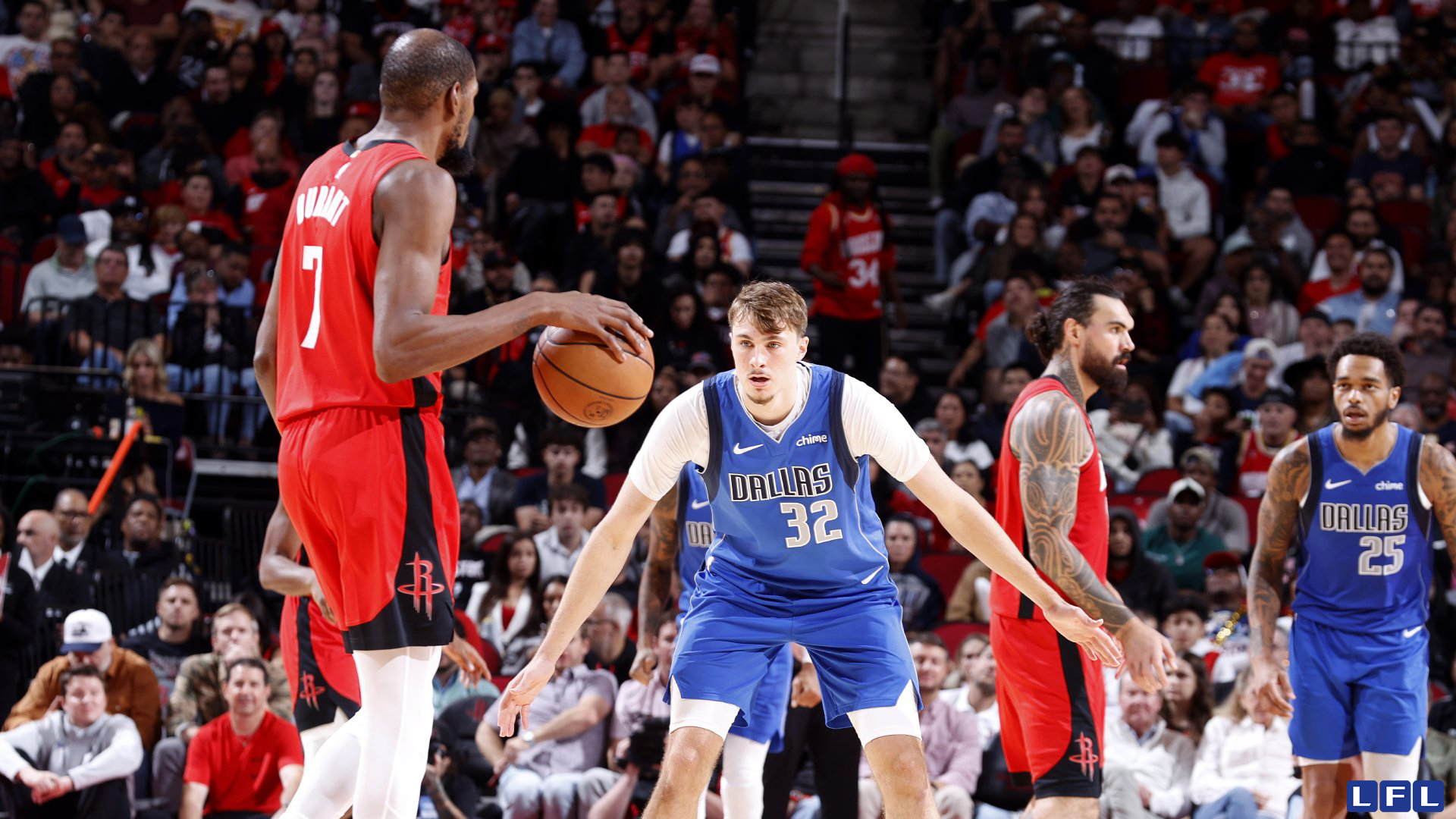
philippine Sports Philippines stands at a crossroads in 2026, where global brands, local leagues, and policy shifts intersect to redefine how Filipinos consume, participate in, and invest in sport. The moment demands more than excitement; it requires a coherent strategy that connects grassroots energy with international opportunities, while ensuring that benefits reach provincial towns and community clubs alike.
Global shifts shaping Philippine sports
Across Asia and the Pacific, sports ecosystems are reconfiguring around broadcast deals, streaming platforms, and brand partnerships that travel beyond national borders. The Philippines benefits from a growing appetite for multi-sport content, with fans consuming basketball, golf, and emerging disciplines through a spectrum of channels. A recent industry brief highlighted Philippine GolfCon 2026 as a landmark event for global brands and national sports tourism growth, signaling that the country is being positioned as both a host and a hub for sport in the region. Such shifts spur a virtuous cycle: more tournaments attract more sponsors, more venues, and more opportunities for athletes to monetize their craft. But the economic and social rewards depend on credible governance, clear pathways for development, and inclusive access for rural communities.
Domestic leagues and talent pipelines
Domestically, talent pipelines are under pressure to translate scattered local success into sustained international competitiveness. The national basketball team, Gilas Pilipinas, recently fought a gutsy home game against New Zealand; the comeback was not enough to secure a result, underscoring a familiar dynamic: a growing pool of skilled players faces the challenge of converting domestic growth into meaningful performance on the global stage. The episode nonetheless sharpened the focus on youth academies, collegiate programs, and overseas exposure as essential components of a dependable pipeline. Beyond basketball, football and volleyball have expanded school and club-based development pathways, while golf remains a potent example of how sport can thread tourism, corporate sponsorship, and national pride together.
Sponsorship, media, and fan engagement
Brand sponsorships increasingly hinge on storytelling that resonates with local communities while broadcasting partners deliver real-time experiences. In the Philippines, media ecosystems—from free-to-air to digital streaming—shape how fans learn about athletes, teams, and tournaments. The country’s fans admire domestic heroes while following regional rivals, generating a demand for events that blend competitive drama with accessible content. The GolfCon model and similar events illustrate how sponsorships can be coupled with sports tourism strategies: hosting international guests, enabling grassroots clinics, and creating hospitality ecosystems around games and demonstrations. For media, the challenge is to balance highlight reels with in-depth analysis, ensuring that narrative depth keeps pace with the data and metrics fans now demand.
Actionable Takeaways
- Federations should invest in scalable youth academies and data-driven talent ID across provinces to shorten the path from grassroots to national teams.
- Policy makers should align sports tourism initiatives with infrastructure development, ensuring accessible venues, safe transport, and local employment opportunities tied to major events.
- Broadcasters and streaming services should deliver multi-language coverage and contextual storytelling that explains tactics, player development, and league mechanics to casual and serious fans alike.
- Brands should pursue multi-sport sponsorships that connect athletes with local communities, integrating clinics, school programs, and fan experiences to broaden impact beyond a single event.
- Governance bodies must publish transparent financials and performance metrics to build trust with sponsors, fans, and international partners.
Source Context
Contextual sources and related coverage:
From an editorial perspective, separate confirmed facts from early speculation and revisit assumptions as new verified information appears.
Track official statements, compare independent outlets, and focus on what is confirmed versus what remains under investigation.
For practical decisions, evaluate near-term risk, likely scenarios, and timing before reacting to fast-moving headlines.
Use source quality checks: publication reputation, named attribution, publication time, and consistency across multiple reports.
Cross-check key numbers, proper names, and dates before drawing conclusions; early reporting can shift as agencies, teams, or companies release fuller context.
When claims rely on anonymous sourcing, treat them as provisional signals and wait for corroboration from official records or multiple independent outlets.
Policy, legal, and market implications often unfold in phases; a disciplined timeline view helps avoid overreacting to one headline or social snippet.